
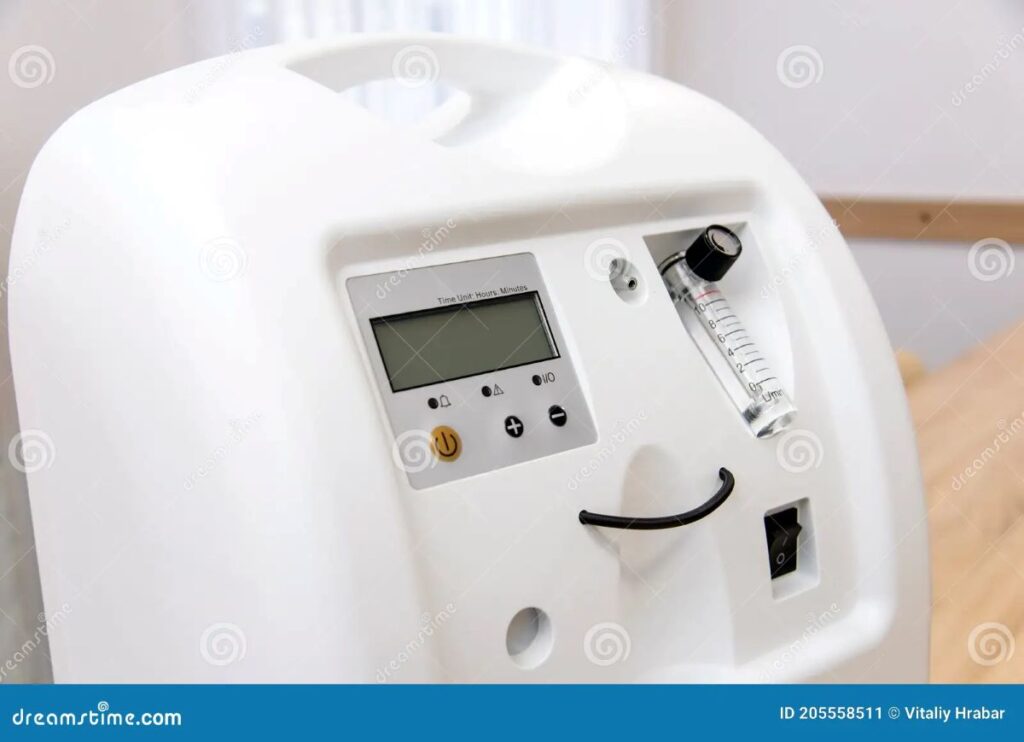
Choosing an oxygen concentrator is rarely just about brand loyalty. People across Australia want to know what is new, what is safer, and what will be easier to live with day to day. This guide explains Philips Respironics Oxygen Concentrator Features: What Has Changed and what those changes mean for users at home, in aged care, and while travelling.
What has changed most in Philips Respironics oxygen concentrator design?
The biggest shift is a stronger focus on usability and monitoring, not just raw oxygen delivery. In Australia, that matters because many users manage therapy at home with limited clinical support between appointments.
Across newer generations, Philips Respironics Oxygen Concentrator Features: What Has Changed often comes down to interface clarity, improved alarms, and better visibility of status. The goal is to reduce guesswork for users and carers, especially during night use or in shared living environments.
Have oxygen delivery options and settings changed?
Yes, the trend has been towards more flexible oxygen delivery and clearer control of flow or dose. That helps clinicians match therapy to a person’s prescription, while keeping operation straightforward for the household.
When people ask Philips Respironics Oxygen Concentrator Features: What Has Changed, oxygen delivery is central. Newer units tend to emphasise consistent delivery with systems that support stable performance in typical Australian conditions, including warmer rooms and variable humidity in coastal areas.
Are newer models easier to use at home?
In most cases, yes. The user experience has become more intuitive, with clearer indicators and fewer confusing steps for routine tasks like starting therapy or checking status.
For Australian households, where family members may share care responsibilities, these refinements matter. Philips Respironics Oxygen Concentrator Features: What Has Changed is often most noticeable in the small daily moments: easier reading of displays, more obvious alarm prompts, and simpler troubleshooting guidance.
What has improved in alarms and safety protections?
Modern concentrators generally place more emphasis on safety feedback, with alarms designed to be more specific and actionable. That helps users respond correctly, rather than simply switching the device off or ignoring alerts.
For anyone comparing Philips Respironics Oxygen Concentrator Features: What Has Changed, look at alarm types for power issues, low oxygen purity, flow restrictions, or maintenance prompts. In Australia, where storms and outages can occur, clear power and restart behaviour is especially relevant to continuity of therapy plans.
Has maintenance and filter access become simpler?
Many newer devices aim to reduce friction around maintenance. Filters, covers, and service indicators are often designed to be more accessible so routine care is less likely to be skipped.
This is a practical area where Philips Respironics Oxygen Concentrator Features: What Has Changed can affect real outcomes. When maintenance steps are easier, users are more likely to keep intake areas clear, clean filters as directed, and notice early signs of performance issues before they become disruptive. Read more about the Oxygen concentrators, Summary.
Are concentrators quieter than they used to be?
Noise reduction is a common design goal, particularly for bedroom use. Even modest changes in fan design and internal layout can make the experience less intrusive at night.
If they are researching Philips Respironics Oxygen Concentrator Features: What Has Changed, many Australians are really asking, “Will it let them sleep?” A quieter device can reduce stress, improve adherence, and help partners or housemates, especially in smaller apartments or shared aged care rooms.
What has changed for portability and travel in Australia?
Portability expectations have increased, particularly for people who want to keep normal routines outside the home. Australian travel often involves long driving distances, flights between states, and time away from major hospitals.
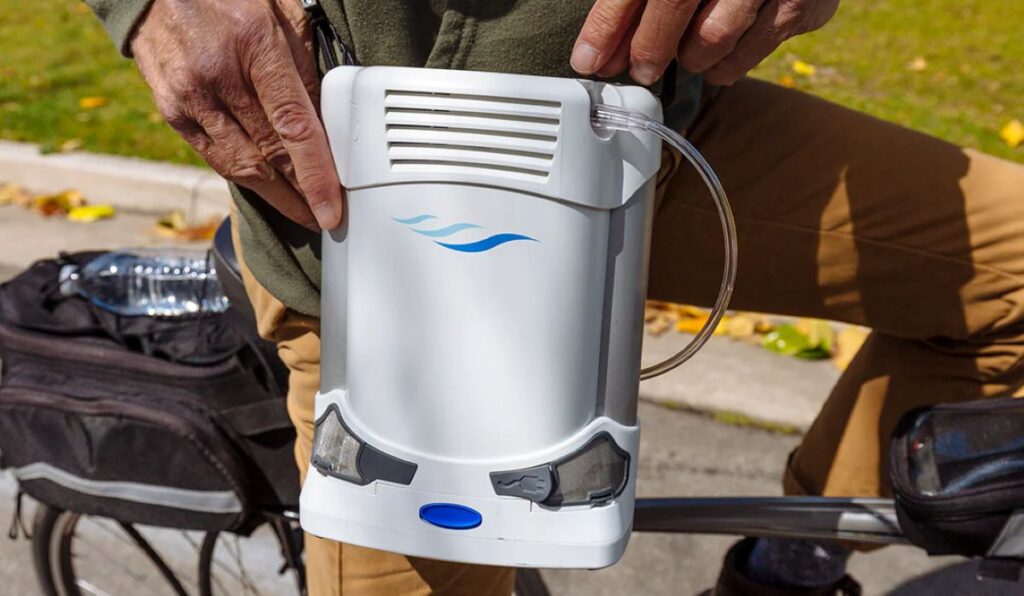
In that context, Philips Respironics Oxygen Concentrator Features: What Has Changed includes weight, handle design, battery options on portable units, and how easy the device is to pack and set up. People should still confirm travel needs with their clinician and supplier, especially for flights and regional trips.
Has power efficiency or power management improved?
Power management has become a more prominent part of concentrator design. This includes how the device behaves after interruptions and how clearly it communicates power status.
When reviewing Philips Respironics Oxygen Concentrator Features: What Has Changed, Australians may want to ask suppliers about typical energy usage, whether the unit needs a dedicated power point, and what backup planning looks like. For rural users, reliable restart behaviour after outages can be as important as any comfort feature.
See Also : Oxygen Machine Guide: Who Needs One and How It Works
Are there better monitoring and data features now?
Many modern respiratory devices across the industry increasingly support monitoring features, though specifics vary by model and market availability. The aim is usually to make therapy easier to oversee, whether by a clinician, a provider, or a carer.
For people asking Philips Respironics Oxygen Concentrator Features: What Has Changed, the practical question is whether the unit provides clearer information for routine checks and whether that information can support follow-ups. In Australia, that can reduce unnecessary appointments if issues can be identified early.
What about the impact of past Philips Respironics issues and recalls?
Some Australians will understandably connect Philips Respironics with historical recall news in the respiratory space. It is important to separate device categories and model ranges, then confirm exactly what is being supplied.
In any conversation about Philips Respironics Oxygen Concentrator Features: What Has Changed, users should ask their Australian supplier for the model name, intended use, and any relevant safety updates. They should also rely on advice from their clinician and provider, not assumptions based on older headlines.
How do newer features affect day-to-day comfort for users?
Comfort is shaped by stability, noise, heat output, and ease of operation. Improvements are often incremental, but those increments can add up when therapy is used for many hours each day.
For many, Philips Respironics Oxygen Concentrator Features: What Has Changed shows up as fewer interruptions and less worry. Clearer status prompts, easier cleaning, and predictable alarms can reduce the mental load on users and their families, particularly for older Australians managing multiple health conditions.
What should Australians ask suppliers before upgrading or switching?
They should focus on fit, service support, and total cost of ownership, not just the brochure features. Oxygen therapy is a clinical treatment, so matching prescription needs comes first.
When weighing Philips Respironics Oxygen Concentrator Features: What Has Changed, useful questions include:
- Which exact model is being offered in Australia, and is it new or refurbished?
- What is the warranty and who handles repairs locally?
- What consumables are required and how often are they replaced?
- What alarms are included and what do they sound like in a bedroom?
- What is the plan for power outages and backup oxygen?
What is the simplest takeaway on what has changed?
They have moved towards easier, safer home use, with better guidance and fewer points of confusion. The changes are less about radical new therapy and more about making long-term oxygen therapy less disruptive.
For Australians comparing options, Philips Respironics Oxygen Concentrator Features: What Has Changed is best answered by matching the specific model to the prescription, home setup, and support network. The right unit is the one they can use correctly every day, with reliable local servicing when something goes wrong.
FAQs (Frequently Asked Questions)
What are the key changes in Philips Respironics oxygen concentrator design?
The most significant changes focus on enhanced usability and monitoring rather than just oxygen delivery. This includes clearer interfaces, improved alarms, and better visibility of device status to reduce guesswork for users and carers, especially during night use or in shared living environments.
Have the oxygen delivery options and settings in Philips Respironics concentrators evolved?
Yes, newer models offer more flexible oxygen delivery with clearer control over flow or dose. These improvements help clinicians tailor therapy to individual prescriptions while ensuring straightforward operation for users, supporting stable performance in typical Australian conditions like warmer rooms and coastal humidity.
Are Philips Respironics oxygen concentrators easier to use at home now?
Generally, yes. The user experience has become more intuitive with clearer indicators and simplified steps for routine tasks such as starting therapy or checking status. These refinements are particularly beneficial in Australian households where care responsibilities may be shared among family members.
What improvements have been made to alarms and safety features?
Modern Philips Respironics concentrators feature more specific and actionable alarms for issues like power interruptions, low oxygen purity, flow restrictions, and maintenance needs. Clear power and restart behaviours are especially important in Australia due to potential storms and outages, ensuring continuity of therapy plans.
Has maintenance become simpler with newer Philips Respironics models?
Yes, many recent devices have been designed to make maintenance easier by improving access to filters, covers, and service indicators. Simplifying these routine care tasks encourages users to maintain their devices properly, helping prevent performance issues before they become disruptive.
How have portability and travel features changed for Philips Respironics oxygen concentrators in Australia?
Portability expectations have increased with enhancements such as reduced weight, improved handle designs, better battery options on portable units, and ease of packing and setup. These changes support Australians who travel long distances or fly between states while maintaining their oxygen therapy routines.