
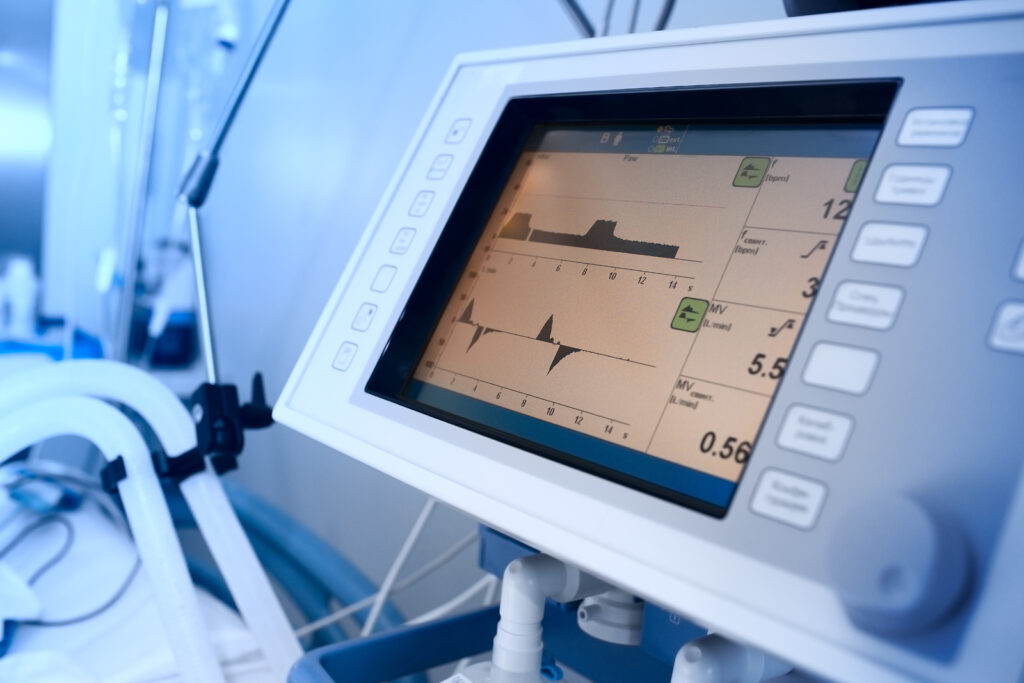
This guide explains who typically needs one, how it works, and what to consider before using one at home.
Who typically needs an oxygen machine?
They typically need an oxygen machine when a clinician confirms low blood oxygen (hypoxemia) and prescribes supplemental oxygen. This is usually based on pulse oximeter readings, arterial blood gas tests, symptoms, and underlying diagnosis.
Common conditions include COPD, severe asthma complications, pulmonary fibrosis, pneumonia recovery, heart failure with low oxygen levels, and some neuromuscular disorders that reduce effective breathing. For those exploring clinically approved oxygen therapy options, https://store.airliquidehealthcare.com.au/collections/home-oxygen offers a range of quality home oxygen machines from leading brands. In some cases, patients need oxygen only during sleep, activity, or air travel, not continuously.
How does an oxygen machine work?
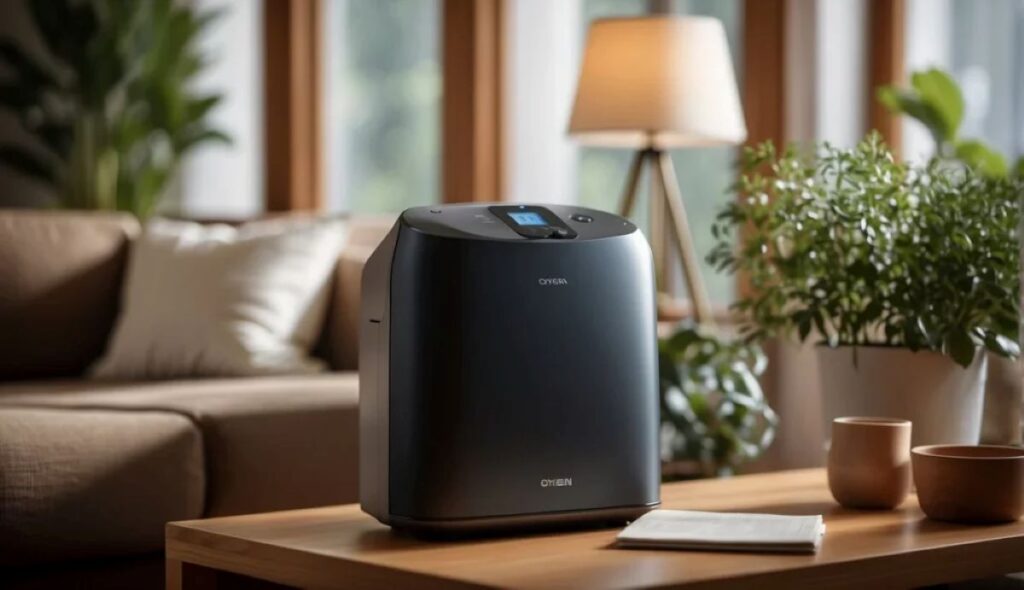
An oxygen concentrator pulls in room air and filters out much of the nitrogen so the delivered gas has a higher oxygen concentration. It uses a compressor, filters, and a “sieve bed” system (often zeolite) that adsorbs nitrogen under pressure, then releases it during a purge cycle.
Most home concentrators provide continuous flow in liters per minute, while many portable units provide pulse-dose delivery that releases oxygen when they inhale. The exact output depends on the model and settings, and it should match the prescription.
What is the difference between an oxygen concentrator and an oxygen tank?
A concentrator makes oxygen-enriched air on demand from room air, while a tank stores oxygen that was filled elsewhere. Tanks run out and need refills, but they do not require electricity to operate.
Concentrators require power and routine maintenance, but they can run for long periods without refills. Many people use a concentrator at home and a small tank or a portable concentrator for backup or travel, depending on their prescription and lifestyle.
What are continuous flow and pulse dose, and why does it matter?
Continuous flow delivers oxygen at a steady rate all the time, including during exhalation. Pulse dose delivers oxygen in bursts triggered by inhalation, which can save power and make a device more portable.
It matters because not everyone can use pulse dose effectively, especially during sleep or with very shallow breathing. Their clinician usually specifies whether they need continuous flow, pulse dose, or a particular device category.
How do they know what oxygen setting they need?
They should not guess the setting because too little oxygen may not treat hypoxemia, and too much can be harmful for certain conditions. Settings are typically prescribed in liters per minute (LPM) for continuous flow, or a numbered pulse setting for portable units.
Clinicians often perform an oxygen titration test at rest, during walking, and sometimes overnight. The goal is to keep oxygen saturation in a safe target range based on their medical plan.
What parts and accessories are usually involved?
Most setups include the machine, a nasal cannula or mask, and tubing. Some people also use a humidifier bottle (commonly with higher continuous flows) to reduce dryness, though compatibility depends on the device.
Filters are a key part of the system and need routine cleaning or replacement. Longer tubing can improve mobility at home, but excessive length or kinks can reduce effective delivery, so they should follow the manufacturer’s guidance.
What are the most important safety rules?
Oxygen increases fire risk because it accelerates combustion, even though oxygen itself is not a fuel. They should keep the device away from flames, cigarettes, gas stoves, candles, and sparking equipment, and avoid petroleum-based lotions near the cannula.
They should also ensure good ventilation around the concentrator, avoid blocking vents, and use the correct power setup. If they use tanks, they must be secured upright so they cannot fall and become a projectile.
What maintenance does an oxygen machine usually need?
Most routine maintenance is simple: keep the exterior vents clear, clean or replace filters on schedule, and check tubing and cannulas for wear. A clogged filter can reduce performance and make the unit louder or hotter.
Many machines also require periodic servicing to confirm oxygen purity and internal function. If alarms sound, output seems weak, or they notice new symptoms, they should contact their supplier or clinician rather than trying to “fix” settings themselves.
What should they consider when choosing a machine?
They should match the machine to their prescription first, then consider lifestyle. Key factors include required flow rate, continuous versus pulse delivery, noise level, weight, battery life (for portable units), and ease of obtaining service and replacement parts.
They should also consider where it will be used: stairs, car travel, flights, or mainly bedside. Portables can be convenient, but some do not meet higher continuous-flow needs, so the prescription determines what is realistic.
When should they seek medical help urgently?
They should seek urgent care if they have severe shortness of breath, blue lips or face, chest pain, confusion, fainting, or oxygen saturation staying low despite using oxygen as prescribed. These can signal a worsening condition that oxygen alone cannot solve.
They should also get prompt guidance if they feel unusually sleepy, develop worsening headaches, or have signs of carbon dioxide retention, especially in advanced lung disease. Any sudden change in symptoms should be treated as a medical issue, not a device issue.
More to Read : Philips Respironics Oxygen Concentrator: What Makes It Stand Out?