
How Is Modern Sleep Testing in Sydney Different from Traditional Methods?
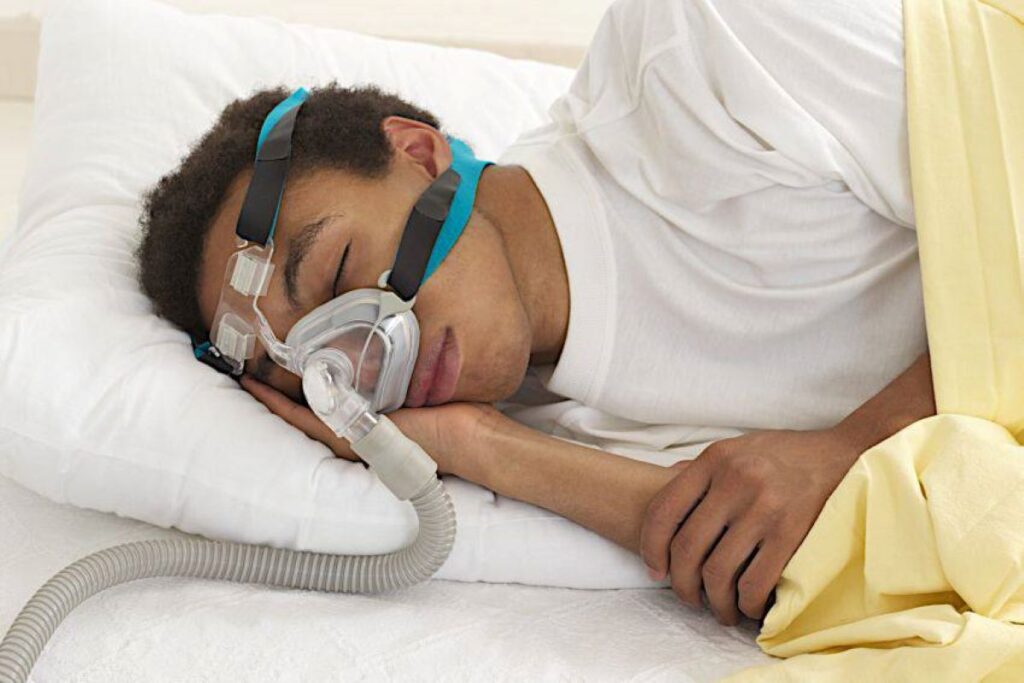
Modern sleep testing in Sydney relies on advanced non-invasive sensors strategically placed across multiple body parts to capture comprehensive physiological data throughout the night. Unlike older methods that required cumbersome equipment and invasive procedures, today’s diagnostic approaches use lightweight, comfortable sensors that patients barely notice during sleep.
The transformation centers on physiological parameter monitoring that extends far beyond what traditional sleep studies could achieve. Contemporary testing simultaneously tracks brain waves through scalp sensors, breathing patterns via nasal and chest monitors, heart rate through chest electrodes, oxygen saturation from fingertip devices, and muscle tone across various body regions. This multi-parameter approach creates a complete picture of what happens during sleep cycles.
The Sensor Revolution in Sleep Diagnostics
Advanced sleep technologies have replaced the bulky, restrictive equipment that once characterized sleep studies. Modern sensors attach to six key body areas:
- Head and scalp: Capture electrical brain activity and sleep stage transitions
- Chest: Monitor respiratory effort and heart rhythm patterns
- Abdomen: Track breathing movements and detect abnormal patterns
- Fingertip: Measure blood oxygen saturation levels continuously
- Nose: Record airflow and identify breathing interruptions
- Limbs: Detect movement disorders and muscle activity
Each sensor communicates wirelessly or through minimal wiring, allowing natural sleep positions and movements. The data streams integrate into sophisticated software that analyzes patterns invisible to older diagnostic tools.
What Made Traditional Methods Less Effective?
Older diagnostic approaches relied heavily on subjective patient reporting and limited overnight observation. Sleep questionnaires dominated initial assessments, but these captured only conscious awareness of sleep problems. Many patients remained unaware of breathing interruptions, movement disorders, or oxygen desaturation events occurring while unconscious.
Early polysomnography equipment, while groundbreaking for its time, presented significant challenges. Patients wore uncomfortable headgear, dealt with numerous tangled wires, and struggled to sleep naturally under observation. The equipment itself sometimes interfered with normal sleep patterns, potentially skewing diagnostic results.
Traditional methods also measured fewer parameters simultaneously. Basic tests might track only breathing and oxygen levels, missing crucial brain wave patterns that indicate sleep stage transitions or neurological complications. This limited scope meant some conditions went undiagnosed or misdiagnosed.
By addressing these limitations through advanced sensor technology and comprehensive parameter monitoring, modern sleep testing offers more accurate diagnoses and personalized treatment plans for individuals with sleep disorders.
Why Do Sydney Patients Prefer Home-Based Sleep Studies?
Home sleep testing Sydney has become the preferred choice for thousands of patients seeking diagnosis for suspected sleep disorders. The ability to undergo testing in one’s own bedroom eliminates the anxiety and discomfort many people experience when sleeping in unfamiliar clinical environments. Patients can maintain their regular bedtime routines, sleep in their preferred positions, and wake naturally without the presence of medical staff or monitoring equipment in an institutional setting.
Convenience of Home Tests
The convenience of home tests extends beyond just location. Most home sleep studies can be conducted over multiple consecutive nights, providing a more representative sample of typical sleep patterns. This multi-night approach captures variations that might occur due to stress, diet, or other factors affecting sleep quality. A single night in a laboratory may not accurately reflect how someone usually sleeps, particularly if they’re nervous about the testing environment.
Straightforward Preparation Requirements
Preparation requirements for home-based studies are remarkably straightforward. Patients receive a compact testing device with clear instructions for sensor placement. The equipment typically arrives by courier, and most people can set up the sensors themselves within 10-15 minutes before bed. The process involves attaching small sensors to specific body locations—usually the chest, finger, and near the nose—without requiring any technical expertise or medical supervision.
Financial Accessibility through Medicare Rebates
Medicare rebates for sleep tests make home-based diagnostics financially accessible for eligible patients. When ordered by a qualified healthcare professional for individuals at high risk of obstructive sleep apnea, these tests qualify for Medicare coverage in Australia. This financial support removes a significant barrier to diagnosis, allowing more people to access essential sleep health services without prohibitive out-of-pocket expenses. The rebate structure recognizes home testing as a legitimate diagnostic tool equivalent to laboratory studies for specific conditions.
Compelling Data on Accuracy Comparison
The accuracy comparison between home and laboratory testing reveals compelling data for common sleep disorders. Research demonstrates that home sleep studies achieve diagnostic accuracy rates of 80-90% for obstructive sleep apnea when compared with in-laboratory polysomnography. This reliability stems from the sophisticated sensors used in modern home testing devices, which capture the same critical physiological parameters needed to identify breathing disruptions during sleep.
Performance for Moderate to Severe Obstructive Sleep Apnea Symptoms
Home testing performs particularly well for patients with:
- Moderate to severe obstructive sleep apnea symptoms including loud snoring, witnessed breathing pauses, and excessive daytime sleepiness
When Are In-Laboratory Sleep Studies Recommended Over Home Testing?
In-laboratory sleep studies become essential when patients present symptoms suggesting complex neurological sleep disorders or have significant underlying health conditions. Home testing, while convenient, cannot capture the specialized measurements needed to diagnose conditions like narcolepsy, REM sleep behavior disorder, or periodic limb movement disorder. You may like to visit https://pmc.ncbi.nlm.nih.gov/articles/PMC9799336/ to get more about REM sleep behaviour disorder: the importance of early identification in primary care.
What Additional Data Do Laboratory Studies Capture?
In-laboratory sleep study benefits extend far beyond basic respiratory monitoring. Sleep technicians attach electrodes to capture eye movements (electrooculography), which reveal critical information about sleep architecture and REM sleep patterns. Video monitoring in sleep labs records physical movements throughout the night, allowing specialists to correlate unusual behaviors with specific sleep stages. Muscle activity sensors placed on the chin and legs detect abnormal muscle tone that might indicate parasomnia disorders.
The continuous presence of trained technicians provides another advantage. They can adjust equipment if sensors become dislodged, respond to patient needs, and document behaviors that automated systems might miss. This human oversight ensures data quality remains consistent throughout the entire recording period.
Which Complex Conditions Require Laboratory Diagnosis?
Complex sleep disorder diagnosis demands the precision only laboratory environments can provide. Narcolepsy, characterized by excessive daytime sleepiness and sudden muscle weakness, requires multiple sleep latency testing (MSLT) conducted the day following an overnight polysomnography. This two-part assessment cannot be performed at home.
Polysomnography, a type of in-laboratory study, is vital for accurately diagnosing conditions such as REM sleep behavior disorder, where patients physically act out dreams due to loss of normal muscle paralysis during REM sleep. Diagnosing this condition requires:
- Synchronized video footage showing physical movements
- EMG readings confirming absence of muscle atonia during REM sleep
- EEG monitoring to verify sleep stage timing
- Audio recording to capture vocalizations
Central sleep apnea, particularly in patients with heart failure or neurological conditions, needs precise differentiation from obstructive sleep apnea. Laboratory studies measure respiratory effort through chest and abdominal bands while simultaneously recording airflow, allowing clinicians to identify whether breathing cessations stem from airway obstruction or lack of respiratory drive.
Why Do Comorbidities Necessitate Laboratory Testing?
Patients with severe neuromuscular diseases require laboratory monitoring because their breathing patterns during sleep differ significantly from typical OSA presentations. Conditions
How Do Modern Technologies Enhance Patient Comfort and Data Accuracy?
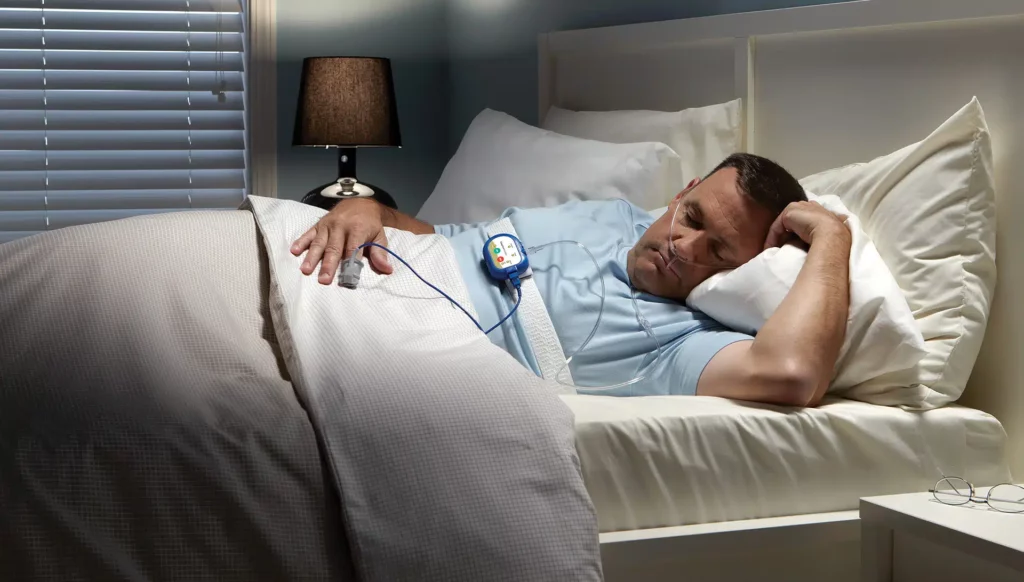
Modern sleep testing equipment in Sydney prioritizes patient comfort in sleep testing Sydney while maintaining clinical precision. Today’s sensors are lightweight, wireless, and designed to minimize disruption during natural sleep cycles, addressing one of the most significant barriers to accurate overnight diagnostics.
Equipment Designed for Natural Sleep
Contemporary sleep testing devices feature soft, flexible sensors that conform to body contours without causing irritation or restricting movement. The nasal cannulas used to monitor breathing patterns are now thinner and less intrusive than previous generations, allowing patients to sleep in their preferred positions. Chest and abdominal bands utilize elastic materials that expand and contract naturally with breathing, eliminating the restrictive feeling associated with older rigid monitoring belts.
Finger-based pulse oximeters have evolved from bulky clip-on devices to sleek, lightweight sensors that patients barely notice during sleep. These modern oximeters provide continuous oxygen saturation readings without the pressure points that previously caused discomfort and awakened patients during critical monitoring periods.
Wireless Technology Reducing Physical Constraints
The shift toward wireless data transmission represents a significant advancement in patient comfort. Traditional sleep studies required patients to remain tethered to monitoring equipment through multiple wires, severely limiting movement and creating anxiety about disconnection. Modern wireless systems allow patients to move freely, change sleeping positions, and even visit the bathroom during home studies without compromising data collection.
Reliable data collection equipment now incorporates battery-powered sensors that transmit information to recording devices without physical connections. This wireless approach reduces the number of times patients wake during the night due to tangled cables or sensor displacement, resulting in more representative sleep data that reflects typical patterns rather than artificially disrupted rest.
Advanced Signal Processing for Data Integrity
Modern sleep testing systems employ sophisticated algorithms that filter out movement artifacts and environmental noise while preserving genuine physiological signals. These intelligent systems can distinguish between actual breathing cessations and temporary sensor displacement, reducing false positives that plagued earlier diagnostic methods.
The equipment used in Why Modern Sleep Testing Sydney Patients Choose Is Transforming Overnight Diagnostics incorporates multi-channel recording capabilities that cross-reference data from different sensors. When brain wave patterns, oxygen levels, and breathing measurements are analyzed together, clinicians gain a complete picture of sleep architecture and respiratory events.
Additionally, advancements in technology have led to the development of more accurate diagnostic tools which further enhance the reliability of sleep studies by ensuring precise data collection and analysis.
Who Analyzes Sleep Test Data and How Are Results Used?
Specialized sleep scientists and physicians review every sleep study conducted in Sydney. These experts hold qualifications in sleep medicine and undergo extensive training to interpret complex physiological data collected during overnight testing. The analysis process involves examining multiple data streams simultaneously—brain wave patterns, respiratory events, oxygen saturation levels, heart rate variations, and movement patterns—to identify specific sleep disorders and their severity.
The Multi-Layered Analysis Process
Sleep study data analysis Sydney facilities employ a rigorous review system. Sleep scientists first score the raw data, marking each sleep stage, respiratory event, and physiological abnormality according to standardized criteria established by international sleep medicine bodies. This initial scoring typically takes several hours per study, as analysts must review every 30-second epoch of the night’s recording.
Following the technical scoring, physicians specializing in sleep medicine review the analyzed data alongside the patient’s medical history, symptoms, and clinical presentation. This dual-layer approach ensures both technical accuracy and clinical relevance. The physician considers:
- Severity of identified disorders based on standardized indices
- Correlation between symptoms and objective findings from the study
- Impact of comorbid conditions on sleep architecture
- Appropriateness of different treatment modalities for the individual patient
Comprehensive Reporting for Healthcare Providers
The specialist interpretation of results culminates in detailed diagnostic reports sent to referring doctors. These reports contain far more than simple diagnoses. They include quantitative metrics such as the Apnea-Hypopnea Index (AHI), oxygen desaturation levels, sleep efficiency percentages, and time spent in each sleep stage. Visual representations through graphs and charts help referring physicians understand the patient’s sleep patterns at a glance.
Reports also provide clinical context, explaining how the findings relate to the patient’s presenting symptoms. When obstructive sleep apnea is diagnosed, the report specifies the severity classification—mild, moderate, or severe—which directly influences treatment recommendations. For patients with multiple sleep disorders or complex presentations, the report details how different conditions interact and affect overall sleep quality.
The Critical Role of Follow-Up Consultations
Follow-up consultations represent the bridge between diagnosis and effective treatment. During these appointments, sleep specialists meet with patients to explain test results in accessible language. This is where understanding metrics like the Apnea-Hypopnea Index (AHI), which indicates the severity of obstructive sleep apnea by measuring the number of apneas and hypopneas per hour of sleep, becomes crucial for both patients and healthcare providers alike. Furthermore, these consultations often involve a discussion about any potential cardiovascular implications linked to sleep disorders as highlighted in recent studies such as those published in AHA Journals, emphasizing the importance of comprehensive care that addresses both sleep health and overall wellbeing.
How Are Modern Sleep Testing Methods Transforming Diagnosis and Treatment Planning?
Modern sleep testing is changing the way we diagnose sleep disorders. It is making things faster and allowing healthcare providers to find out about sleep problems weeks or even months earlier than before. This is especially important because untreated sleep disorders can lead to worse health outcomes.
Earlier Detection Through Enhanced Accessibility
One of the main reasons why modern sleep testing is so effective is because it is now more accessible to patients. Instead of going to a laboratory for testing, many people can now do their assessments at home. This is beneficial for those who may have delayed or avoided laboratory studies due to work obligations, taking care of children, or feeling anxious about unfamiliar places.
By being able to complete the tests in their own sleeping environment, patients are more likely to get accurate results. Home testing equipment has been proven to be just as reliable as laboratory studies for common conditions like obstructive sleep apnea (OSA). In fact, studies show that home tests have an accuracy rate of over 90% when it comes to detecting OSA.
Patient-Centered Approaches Driving Better Outcomes
Another factor that contributes to better diagnosis and treatment planning is the comfort level of patients during testing. When individuals are able to sleep in their own beds, surrounded by familiar things, they tend to have more natural sleep patterns. This means that the data collected from these tests will better represent their actual sleeping conditions.
With traditional laboratory assessments, there is often something called the “first-night effect” where results can be skewed due to unfamiliarity with the environment. However, with modern methods such as home studies, this issue can be minimized.
See Also : Sleep Study Melbourne: What to Expect and How It Can Improve Your Overall Sleep Health
Transforming Obstructive Sleep Apnea Management
The way we manage obstructive sleep apnea (OSA) has also changed significantly because of these new diagnostic capabilities. Clinicians are now able to receive detailed information within 48-72 hours after a test has been completed. This allows them to quickly start CPAP therapy or other interventions if necessary.
This speed is crucial for patients who have severe OSA since each night without treatment puts additional strain on their cardiovascular system and increases the risk of accidents.”
The Future of Sleep Diagnostics in Sydney: Benefits of Modern Sleep Testing
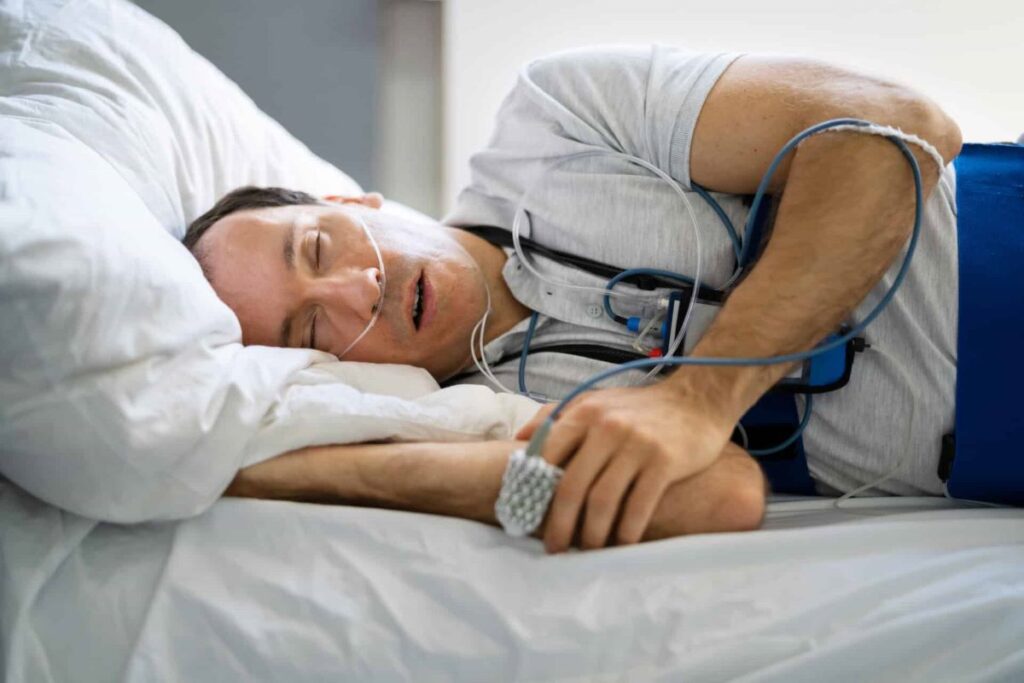
What makes modern sleep testing the preferred choice for Sydney patients? The combination of advanced technology, flexible testing options, and patient-centered care has positioned Sydney at the forefront of sleep diagnostics. Patients now access sophisticated diagnostic tools without sacrificing comfort or convenience.
The benefits of modern sleep testing extend beyond simple diagnosis. Home-based studies eliminate the anxiety associated with unfamiliar clinical environments, while in-laboratory facilities provide comprehensive monitoring for complex conditions. This dual approach ensures every patient receives appropriate care matched to their specific needs.
Why modern sleep testing Sydney patients choose is transforming overnight diagnostics becomes clear when examining accessibility improvements. Medicare rebates make testing financially viable for high-risk patients, removing economic barriers that previously delayed diagnosis. The ability to conduct multiple-night home studies captures sleep patterns more accurately than single-night laboratory assessments.
The future of sleep diagnostics Sydney promises even greater innovation:
- Miniaturized sensors reducing physical discomfort during testing
- AI-powered analysis accelerating result turnaround times
- Remote monitoring capabilities expanding access to rural communities
- Integration with wearable technology enabling continuous sleep health tracking
Specialized scientists and physicians now deliver detailed reports faster, allowing referring doctors to initiate treatment plans promptly. This streamlined workflow reduces the time between symptom presentation and effective intervention, particularly critical for obstructive sleep apnea management where delayed treatment increases cardiovascular risks.
Patient compliance rates have improved dramatically with comfortable, modern equipment designed specifically for overnight use. The reliability of data collection ensures physicians make treatment decisions based on accurate physiological measurements rather than subjective patient reporting.
Sydney’s sleep diagnostic landscape demonstrates how medical technology can simultaneously enhance clinical outcomes and patient experience. The shift toward non-invasive, accessible testing methods represents a fundamental change in how healthcare providers approach sleep disorder diagnosis, setting new standards for overnight diagnostic capabilities across Australia.