

What Is a Sleep Study and Why Is It Conducted?
A sleep study is a comprehensive diagnostic test that monitors your body’s activities while you sleep. Quality sleep forms the foundation of physical health, mental clarity, and emotional wellbeing, yet millions struggle with undiagnosed sleep disorders that silently erode their quality of life.
During a sleep study, specialized equipment measures:
- Brain activity through electroencephalography (EEG)
- Breathing patterns and airflow
- Heart rate and rhythm
- Blood oxygen levels
- Muscle movements and limb activity
- Snoring intensity and frequency
These measurements help clinicians diagnose conditions like sleep apnoea (breathing interruptions during sleep), insomnia (difficulty falling or staying asleep), narcolepsy (excessive daytime sleepiness), and restless leg syndrome (uncomfortable sensations causing leg movements).
Identifying underlying sleep problems proves critical because untreated disorders cascade into serious health complications. Accurate diagnosis through sleep studies enables targeted treatment plans that restore restorative sleep and prevent long-term health consequences.
What Types of Sleep Studies Are Available in Melbourne?
Melbourne offers three main types of sleep tests to suit different diagnostic needs and patient preferences.
1. In-Lab Sleep Study
In-lab sleep study Melbourne facilities provide comprehensive overnight monitoring in specialized centers. Patients stay in private, hotel-like rooms equipped with advanced monitoring technology. Technicians attach multiple sensors to record brain waves, eye movements, muscle activity, heart rhythm, breathing patterns, and blood oxygen levels throughout the night. These studies capture the most detailed data and allow real-time adjustments during therapeutic trials, such as CPAP titration for sleep apnoea treatment.
2. Home-Based Sleep Study
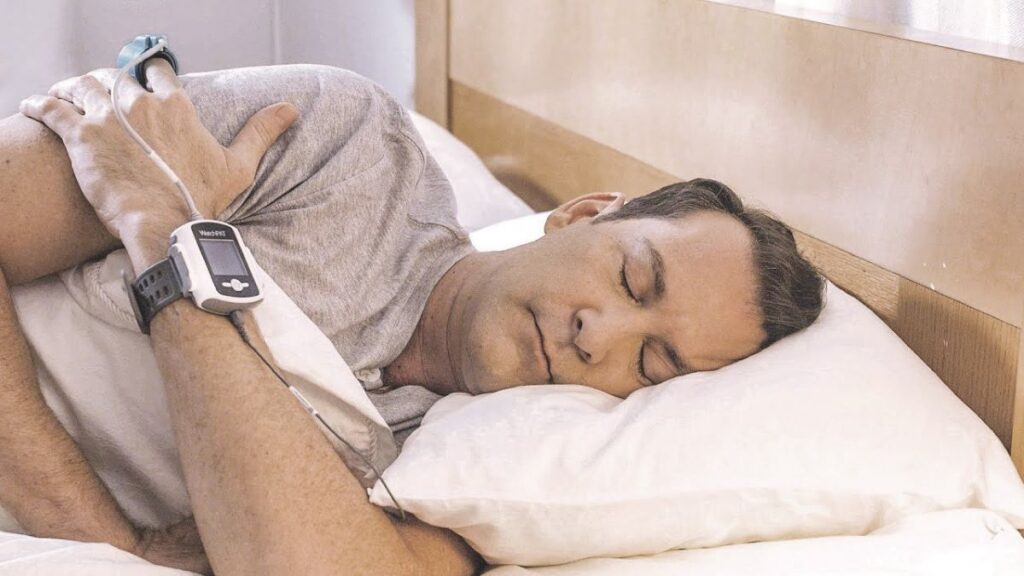
Home-based sleep study Melbourne options use portable monitoring devices that patients wear while sleeping in their own beds. These compact systems typically measure airflow, breathing effort, oxygen saturation, heart rate, and body position. The convenience of sleeping at home makes this option particularly appealing for diagnosing obstructive sleep apnoea, though it records fewer physiological signals than in-lab studies.
3. Daytime Tests
Daytime tests assess wakefulness and drowsiness levels through structured nap opportunities. These evaluations help diagnose narcolepsy and measure excessive daytime sleepiness severity.
How Should Patients Prepare for a Sleep Study in Melbourne?
Preparing for sleep study requires following specific patient guidelines sleep test protocols to ensure accurate results. Most facilities recommend avoiding caffeine and alcohol for at least 4-6 hours before the test, as these substances can interfere with natural sleep patterns. Patients should shower and wash their hair without applying styling products, oils, or lotions that might prevent electrode adhesion.
For in-lab studies, patients typically need to bring:
- Comfortable sleepwear (two-piece pajamas work best for sensor placement)
- Personal toiletries and medications
- A book or device for relaxation before sleep
- Any CPAP equipment if previously prescribed
Home-based studies require different preparation. Patients receive detailed instructions on device setup, often with demonstration videos or technician assistance. The portable equipment arrives with clear attachment guides, though patients maintain their regular bedtime routine in familiar surroundings.
Most sleep centers advise maintaining normal daily activities and avoiding naps on test day to promote natural tiredness at bedtime.
What Happens During an In-Lab Sleep Study?
The in-lab procedure sleep study begins when you arrive at the sleep center in the evening, typically around 8-9 PM. A trained sleep technician will greet you and show you to your private room, which resembles a comfortable hotel room with monitoring equipment nearby.
Overnight Monitoring Process
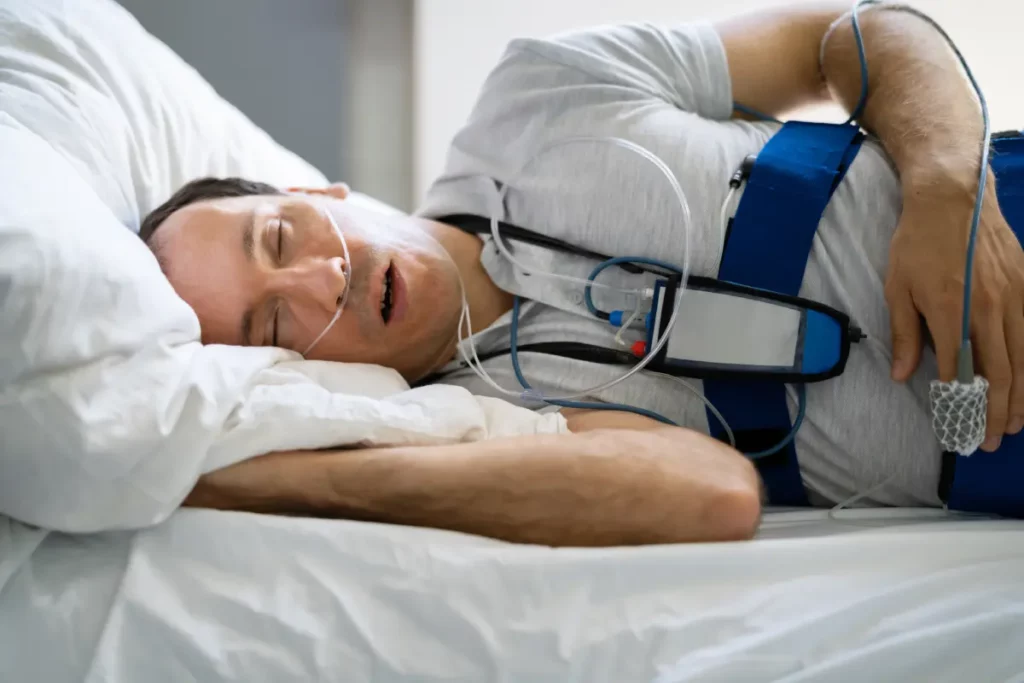
During the overnight monitoring process, various sensors will be attached to your body:
- Electrodes on the scalp measure brain wave activity (EEG)
- Sensors near the eyes track eye movements
- Chest and abdominal bands monitor breathing effort
- Finger probe measures blood oxygen levels
- Nasal cannula detects airflow
- Leg sensors record muscle movements
The attachment process takes approximately 30-45 minutes. Once connected, you can read, watch television, or relax before sleep. The technician monitors you throughout the night from a separate control room, recording data while you sleep naturally.
CPAP Titration for Therapeutic Studies
For therapeutic studies, CPAP titration may occur during the second half of the night if sleep apnoea is detected. The technician remotely adjusts pressure settings to find the optimal level that keeps your airway open.
How Does a Home-Based Sleep Study Work?
How is the device set up for home testing?
Home-based sleep test process begins when patients collect a portable sleep monitor from a clinic or receive it by mail. Some providers send technicians to the patient’s home to demonstrate proper setup, while others provide detailed instructions for self-application. The device typically consists of sensors that attach to the chest, finger, and face using comfortable elastic bands and adhesive strips.
What information does the monitor capture?
Portable sleep monitor usage focuses on recording essential respiratory data including:
- Airflow through nasal passages
- Oxygen saturation levels in the blood
- Breathing effort and chest movements
- Body position changes during sleep
- Heart rate patterns
How do specialists access the results?
Once the overnight recording completes, patients return the device to the clinic or mail it back. Qualified sleep physicians download and analyze the data using specialized software, identifying patterns that indicate sleep disorders. The comprehensive report typically becomes available within one to two weeks, allowing doctors to recommend appropriate treatment pathways based on the findings.
When Should Someone Consider Getting a Sleep Study?
What signs indicate you need a sleep study? Specific symptoms serve as clear indications for testing and warrant professional evaluation. Your body provides warning signals when sleep quality deteriorates beyond normal variations.
- Loud snoring: Snoring accompanied by gasping or choking sounds during sleep is one of the most common signs for sleep study referral. Partners often notice these episodes before the person experiencing them becomes aware of the problem.
- Excessive daytime tiredness: Feeling excessively tired during the day, even after getting what seems like enough sleep, suggests there may be an underlying issue with your sleep. This fatigue can affect your work performance, ability to concentrate, and daily activities, no matter how much time you spend in bed.
- Morning headaches: If you regularly wake up with headaches that improve within a few hours but come back every morning, it could be a sign that you’re not getting enough oxygen while you sleep.
- Frequent leg movements: If you or your partner notice that your legs move frequently during the night and disrupt your sleep, it could indicate restless leg syndrome or periodic limb movement disorder.
- Breathing pauses: If someone witnesses you having breathing pauses lasting 10 seconds or longer during sleep, it’s important to seek medical evaluation right away.
What Are the Health Risks of Untreated Sleep Disorders?
Ignoring persistent sleep problems creates serious health consequences that go beyond just feeling tired.
Risks of Untreated Sleep Disorders
Untreated sleep disorder risks include:
- Cardiovascular complications: Conditions like heart disease and stroke can develop because chronic sleep disruption puts ongoing stress on the heart and blood vessels.
- Metabolic dysfunction: Poor sleep quality directly contributes to issues such as type 2 diabetes and obesity.
- Mental health decline: Depression, anxiety, and cognitive impairment become more common when sleep disorders are not treated.
- Memory and emotional difficulties: Lack of restorative sleep cycles affects memory consolidation and makes it harder to regulate emotions.
- Increased accident risk: Daytime drowsiness from disrupted sleep leads to dangerous situations on the roads and in workplaces.
The combined impact of these health consequences of poor sleep highlights the importance of seeking assessment through facilities that offer sleep studies. This is crucial for protecting long-term wellbeing. You may like to visit https://realhealthandfitness.com/why-modern-sleep-testing-sydney-patients-choose-is-transforming-overnight-diagnostics/ to get why modern sleep testing Sydney patients choose is transforming overnight diagnostics.
How Are Sleep Study Results Used to Improve Sleep Health?
Interpreting sleep study results
Qualified sleep physicians analyze the recorded data from sleep studies to identify specific sleep disorders and their severity. This analysis includes examining key metrics such as:
- Apnoea-hypopnoea index (AHI)
- Oxygen desaturation levels
- Sleep stage disruptions
- Movement patterns
The findings from the sleep study are then compiled into a detailed report, which is sent to your general practitioner (GP) or sleep specialist for further review.
Treatment after diagnosis
Once a diagnosis has been made, the next step is to determine the most appropriate treatment plan. Sleep specialists take a personalized approach, tailoring interventions based on your specific condition and the underlying causes identified in your sleep study.
Some common treatment options include:
- CPAP therapy: This involves using a continuous positive airway pressure (CPAP) machine that delivers air through a mask while you sleep. It is primarily used for moderate to severe cases of sleep apnoea.
- Mandibular advancement devices: These are dental devices that reposition the jaw forward during sleep, preventing airway collapse. They are particularly effective for mild to moderate apnoea and snoring.
- Oxygen supplementation: If your sleep study indicates significant drops in blood oxygen levels, your healthcare provider may prescribe supplemental oxygen therapy during sleep.
- Positional therapy devices: If your apnoea episodes occur mainly when lying on your back, these devices can help you maintain a side-sleeping position throughout the night.
Monitoring treatment effectiveness
After starting any treatment, it is important to monitor its effectiveness over time. Your healthcare team will schedule follow-up appointments to assess how well the chosen intervention is working.
In some cases, additional studies may be necessary to fine-tune therapy settings or evaluate other potential factors contributing to your sleep issues.
What Treatment Options Can Result from a Sleep Study Diagnosis?
Treatment for sleep disorders in Melbourne includes various methods tailored to specific diagnoses. While CPAP therapy in Melbourne is the gold standard for moderate to severe obstructive sleep apnoea, other interventions effectively target different conditions.
Cognitive Behavioral Therapy for Insomnia (CBT-I)
Cognitive Behavioral Therapy for Insomnia (CBT-I) focuses on chronic sleep problems through structured programs that change sleep-related thoughts and behaviors. This evidence-based method helps patients establish healthier sleep patterns without relying on medication. Sessions usually last 6-8 weeks with trained therapists who work on sleep restriction, stimulus control, and relaxation techniques.
Medication options
Medications may be prescribed based on the specific sleep disorder diagnosed during the study. Some common medication options include:
- Melatonin for circadian rhythm disorders
- Stimulants for managing narcolepsy
- Dopamine agonists for treating restless leg syndrome
- Short-term hypnotics for specific cases of insomnia
Lifestyle modifications
Making certain lifestyle changes can also greatly impact the effectiveness of treatment. These modifications may include:
- Adjusting sleeping positions to reduce snoring intensity
- Managing weight to improve severity of apnoea
- Practicing good sleep hygiene by maintaining consistent sleep schedules, optimizing bedroom environment, and limiting screen time
In addition to these approaches, some patients may benefit from using positional therapy devices that prevent back-sleeping and reduce airway obstruction during sleep. Recent studies suggest that such devices can significantly improve outcomes for those with obstructive sleep apnoea.
What Are the Options for Accessing Sleep Studies in Melbourne?
Melbourne residents can access sleep studies through both public hospitals and private clinics, each offering distinct advantages.
Public Hospitals
Public hospitals provide Medicare-covered sleep tests for eligible patients, typically requiring a GP referral and potentially involving waiting periods. These services deliver comprehensive diagnostic testing at reduced or no cost for those meeting criteria.
Private Clinics
Private sleep clinics Melbourne offer expedited appointments, flexible scheduling including evening and weekend slots, and personalized care pathways. Patients choosing private services gain faster access to specialists and tailored treatment plans, though costs vary depending on health insurance coverage and individual circumstances.
Telehealth Consultations
Modern telehealth consultations have expanded access significantly, allowing initial assessments and follow-up appointments from home. Many Melbourne providers now integrate digital sleep tracking apps and remote monitoring tools, enabling continuous assessment between formal studies. These technological solutions complement traditional testing methods, making Sleep Study Melbourne: What to Expect and How It Can Improve Your Overall Sleep Health more accessible than ever.
Hybrid Models
Some clinics combine both public vs private sleep clinics Melbourne models, offering bulk-billed services alongside premium options. This hybrid approach ensures broader community access while maintaining quality diagnostic standards across different patient needs and financial situations.
Conclusion
Sleep Study Melbourne: What to Expect and How It Can Improve Your Overall Sleep Health begins with accurate diagnosis—the foundation for targeted treatment that transforms daily functioning. The benefits of sleep study Melbourne extend beyond identifying disorders; they create pathways to restorative sleep, reduced health risks, and renewed energy.
If you experience persistent snoring, daytime exhaustion, or disrupted sleep, seeking assessment is essential. Melbourne’s comprehensive network of public hospitals, private clinics, and telehealth services ensures accessible support for every individual. Improving overall health through diagnosis starts with one simple step: scheduling your sleep study and reclaiming the quality rest you deserve.