
What Are Home Oxygen Machines and How Do They Work?
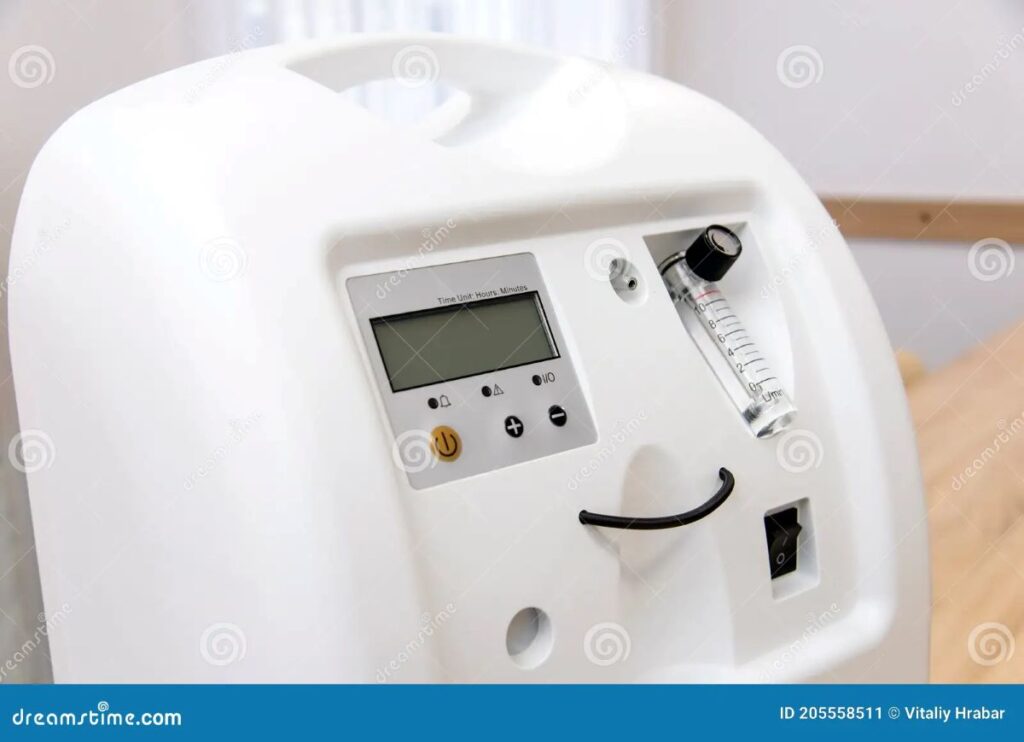
Home oxygen machines convert ambient air into concentrated oxygen for patients with respiratory conditions. These devices extract nitrogen from room air, delivering purified oxygen at therapeutic levels to help individuals breathe more easily and maintain adequate blood oxygen saturation.
Oxygen therapy plays a vital role in managing chronic conditions like COPD, pulmonary fibrosis, and severe asthma. Patients who cannot maintain healthy oxygen levels through natural breathing alone rely on these machines to supplement their respiratory function, improving quality of life and reducing complications associated with low blood oxygen.
Two primary categories of oxygen machine for home serves different patient needs:
- Stationary oxygen concentrators remain fixed in the home, providing reliable, continuous oxygen delivery for patients who spend most of their time indoors.
- Portable oxygen concentrators offer mobility and freedom, allowing users to maintain oxygen therapy whilst travelling, running errands, or engaging in outdoor activities.
Both types work on the same fundamental principle—pressure swing adsorption technology that filters nitrogen molecules from air. The key distinction lies in their design priorities: stationary models prioritise power and consistent output, whilst portable units emphasise compact size and battery operation.
When comparing portable vs. stationary home oxygen machine models, understanding these basic operational differences helps patients identify which device aligns with their medical requirements and lifestyle preferences. The choice between these technologies directly impacts daily routines, independence levels, and treatment effectiveness.
What Are the Key Differences Between Portable and Stationary Oxygen Concentrators?
Portable vs stationary oxygen concentrators differ fundamentally in their design philosophy and intended use. Stationary concentrators are large, home-based units built for reliable, round-the-clock oxygen delivery, whilst portable oxygen concentrators (POCs) are compact, battery-powered devices engineered for mobility and active lifestyles.
Device Size and Weight Considerations
The physical dimensions of these devices reveal their distinct purposes. Stationary units typically weigh between 30 to 50 pounds and measure roughly the size of a small filing cabinet or bedside table. Their substantial build houses powerful compressors and larger sieve beds that enable higher oxygen output.
Portable concentrators weigh dramatically less, ranging from 5 to 20 pounds depending on the model. Their compact design—often comparable to a handbag or small backpack—allows users to carry them comfortably using shoulder straps, rolling carts, or backpack configurations. This reduced weight comes from miniaturised components and efficient battery systems that prioritise mobility without sacrificing therapeutic effectiveness.
Oxygen Flow Rates and Delivery Methods
Oxygen flow rates represent another critical distinction between these device categories. Stationary concentrators deliver continuous flow oxygen, providing a steady stream of oxygen ranging from 3 to 10 litres per minute. This constant delivery proves essential for patients requiring higher oxygen volumes or those who need supplemental oxygen during sleep when breathing patterns become irregular.
Portable units predominantly employ pulse dose delivery systems that release concentrated oxygen bursts synchronised with each inhalation. These intelligent systems detect breathing patterns and deliver oxygen only when needed, conserving battery life and extending operational time. Pulse dose settings typically range from 0.5 to 2 litres per minute, though some advanced models offer higher settings or even continuous flow capabilities at lower rates.
Design Intent and Usage Scenarios
Stationary concentrators serve as dependable home oxygen stations. Their electrical power source eliminates concerns about battery depletion, making them ideal for overnight use, extended therapy sessions, or situations where consistent oxygen delivery takes priority over mobility. Many models include wheels or casters, allowing movement between rooms within a residence, though they remain tethered to power outlets.
Portable
How Do Lifestyle Considerations and Activity Levels Influence the Choice of Oxygen Machine?
Your daily routine and physical capabilities directly determine which oxygen machine type will serve you best. Active individuals who maintain social engagements, run errands, or participate in outdoor activities require devices that support their mobility, whilst those who spend most of their time at home need reliable, consistent oxygen delivery without the constraints of battery life.
Matching Machines to Mobility Needs
High-Activity Lifestyles
Portable oxygen concentrators align perfectly with individuals who refuse to let oxygen therapy limit their independence. These users typically:
- Attend social gatherings and family events regularly
- Shop, dine out, or visit friends independently
- Maintain part-time employment or volunteer work
- Exercise or participate in rehabilitation programmes
- Travel frequently by car, train, or aeroplane
The lightweight design of portable units (2-9 kilograms) allows users to carry their oxygen supply in backpacks or wheeled cases, maintaining an active presence in their communities. Battery-operated functionality means no searching for power outlets during outings.
Sedentary or Home-Centred Lifestyles
Stationary concentrators better suit individuals whose activities centre around their residence. This group includes:
- Patients with limited mobility or wheelchair users
- Those recovering from surgery or acute illness
- Individuals who work from home offices
- Patients requiring overnight oxygen therapy
- People with severe respiratory conditions limiting physical exertion
These users benefit from the unlimited runtime that mains electricity provides, eliminating concerns about battery depletion during extended use periods.
Travel Requirements and Oxygen Devices
Frequent Travellers
Portable models become essential for individuals who travel regularly. CAA-approved portable oxygen concentrators enable air travel, something impossible with stationary units. Car adaptors allow charging during road trips, whilst compact designs fit easily in overhead compartments or under aeroplane seats.
Weekend getaways, extended holidays, and visiting distant relatives become feasible when your oxygen supply weighs less than a small suitcase. Multiple battery packs extend usage time between charges, providing flexibility for full-day excursions.
Occasional or Non-Travellers
Home-bound individuals rarely need the portability features that increase device costs.
What Are the Cost Differences Between Portable and Stationary Oxygen Machines?
Stationary oxygen concentrators typically cost between £500 and £1,600, whilst portable models range from £1,600 to over £3,200. This significant price gap reflects the engineering complexity and miniaturisation required for portable devices.
The cost comparison between these two types reveals that stationary units offer better value for patients who primarily need oxygen therapy at home. Their simpler design and reliance on mains electricity rather than sophisticated battery systems keep manufacturing costs lower. Budget considerations become particularly important for patients on fixed incomes or those without comprehensive insurance coverage.
Price Range Factors for Stationary Models
Stationary concentrators maintain relatively stable pricing due to their established technology:
- Basic models (£500-£800): Standard continuous flow delivery with minimal features
- Mid-range units (£800-£1,200): Enhanced durability, quieter operation, improved energy efficiency
- Premium options (£1,200-£1,600): Extended warranties, advanced filtration systems, lower noise levels
Price Range Factors for Portable Models
Portable oxygen concentrators command higher prices due to several technical demands:
- Entry-level POCs (£1,600-£2,400): Basic pulse dose delivery, limited battery life, heavier weight
- Mid-tier devices (£2,400-£3,200): Improved battery performance, lighter construction, FAA approval
- High-end models (£3,200+): Dual delivery modes, extended battery capacity, smartphone connectivity
Advanced portability features drive costs upward significantly. Lightweight materials such as aircraft-grade aluminium and carbon fibre composites increase manufacturing expenses. Battery technology represents another major cost factor—lithium-ion batteries capable of powering concentrators for 4-8 hours require substantial investment in research and development.
Specialised technology influences pricing across both categories. Sieve bed materials that separate oxygen from ambient air vary in quality and longevity. Higher-grade molecular sieves last longer and maintain consistent oxygen purity, justifying premium pricing. Compressor systems in portable units must be compact yet powerful, requiring precision engineering that elevates production costs.
How Does Oxygen Delivery Differ Between Portable and Stationary Models?
Oxygen Delivery in Stationary Concentrators
Stationary concentrators use continuous flow oxygen delivery, providing a steady, uninterrupted stream of oxygen regardless of the patient’s breathing pattern. This method ensures patients receive a constant supply of therapeutic oxygen at flow rates typically between 3 to 10 litres per minute, making it ideal for those with severe respiratory conditions or consistently high oxygen requirements.
Patients who need oxygen during sleep particularly benefit from continuous flow delivery. The steady stream maintains therapeutic effectiveness throughout the night when breathing patterns naturally become irregular and shallow. Stationary units also accommodate patients who breathe through their mouth or have difficulty triggering breath-activated systems.
Oxygen Delivery in Portable Concentrators
Portable concentrators predominantly employ pulse dose delivery systems that release concentrated oxygen bursts only when the device detects inhalation. A sensitive sensor monitors the user’s breathing pattern and delivers oxygen at the precise moment of inhalation, maximising efficiency whilst conserving battery power. This synchronised delivery method provides flow rates generally between 0.5 to 2 litres per minute.
The pulse dose system works by measuring the bolus size—the amount of oxygen delivered per breath—rather than continuous litres per minute. When a patient inhales, the device releases a measured dose within the first portion of the breath, ensuring oxygen reaches the lungs where gas exchange occurs. This targeted approach extends battery life significantly compared to continuous delivery.
Therapeutic Effectiveness Based on Delivery Methods
Therapeutic effectiveness varies between delivery methods based on individual patient needs:
- Continuous flow provides predictable oxygen saturation levels for patients requiring stable, high-volume supplementation.
- The consistent delivery proves essential for those with advanced chronic obstructive pulmonary disease (COPD), severe heart failure, or conditions requiring oxygen during both rest and activity.
- Pulse dose delivery offers adequate therapeutic effectiveness for patients with mild to moderate oxygen needs and regular breathing patterns.
- Active individuals who maintain consistent respiratory rates benefit from the efficiency of breath-triggered delivery.
- The system adjusts to varying activity levels, delivering more frequent doses during exertion when breathing rate increases.
Some patients experience challenges with pulse dose systems if they have shallow breathing, irregular respiratory patterns, or primarily breathe through their mouths. These factors can prevent the sensor from detecting inhalation properly, potentially compromising oxygen delivery. Healthcare providers assess breathing patterns during prescriptions to determine which delivery method ensures optimal therapy for each individual patient.
What Are the Power Sources and Mobility Features of Each Model?
Power Sources
Stationary Oxygen Concentrators
Stationary oxygen concentrators require direct connection to mains electricity, drawing power continuously from standard wall outlets to operate their internal compressors and filtration systems. These units consume between 300 to 600 watts during operation, similar to a desktop computer, and must remain plugged in at all times to function.
- Power Dependency: The electrical dependency means they cannot operate during power outages unless connected to a backup generator or battery system.
- Versatility Limitations: This makes them less versatile for emergency situations or locations without reliable electricity.
Portable Oxygen Concentrators
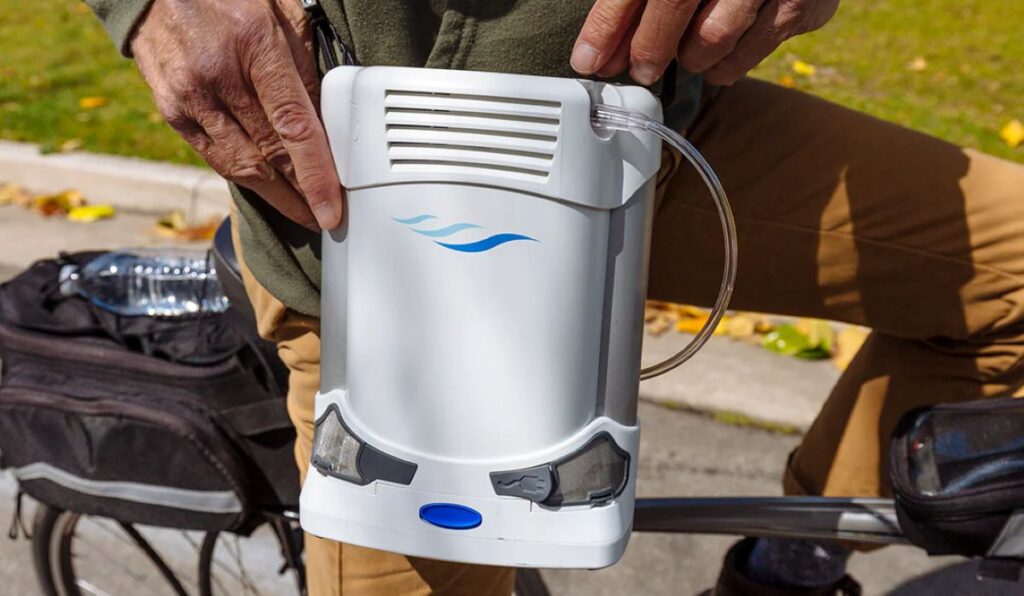
Portable oxygen concentrators operate on rechargeable lithium-ion batteries, offering freedom from electrical outlets during use. Battery life varies significantly between models, typically lasting anywhere from 2 to 8 hours on a single charge depending on the flow setting and usage patterns.
- Additional Batteries: Most POC users purchase additional batteries to extend their time away from power sources, with each extra battery adding 2 to 4 hours of operation.
- Charging Options: These devices can also be plugged into AC outlets or DC car adapters for charging and simultaneous use, providing flexibility across different environments.
Mobility Features
Mobility within Home
Mobility within home differs substantially between the two types.
- Stationary Concentrators: Weigh between 30 to 50 pounds and feature built-in wheels or casters that allow users to roll them from room to room within their residence. The wheeled base design enables repositioning without lifting, though the units remain tethered to electrical outlets via power cords that typically extend 6 to 10 feet. Some users purchase extension cords to increase their range of movement, though this practice requires careful consideration of electrical safety.
- Portable Models: Prioritise true mobility through lightweight construction, weighing between 5 to 20 pounds depending on the model. Manufacturers design these units with:
- Ergonomic carrying handles for easy gripping
- Adjustable shoulder straps for hands-free transport
- Optional wheeled carts or backpacks for extended carrying comfort
- Compact dimensions that fit under airline seats or in car cup holders
The battery operation of portable units eliminates the restriction of power cords, allowing users to move freely throughout their homes, gardens, and beyond. This independence proves particularly valuable for individuals who wish to maintain social activities, attend appointments, or simply enjoy outdoor spaces without planning around electrical access points. Click here to get more about 7 best CPAP masks for side sleepers.
Can Users Benefit from Owning Both Portable and Stationary Oxygen Machines?
Many oxygen therapy patients find that using both portable and stationary units together provides the best solution for their breathing needs. This approach addresses different parts of daily life—stationary concentrators provide steady, continuous oxygen during rest periods at home, while portable units allow freedom of movement for errands, social activities, and travel.
When Does Dual Ownership Make Sense?
Patients with changing oxygen needs throughout the day often benefit most from having both types available. Someone might require higher flow rates during sleep or inactive activities at home, which stationary units handle well, then switch to a portable concentrator for daytime activities that demand mobility.
Active retirees are a common example—they may spend evenings at home using a stationary concentrator for consistent oxygen delivery, then depend on a portable unit during morning walks, shopping trips, or visits to grandchildren. This setup eliminates the need to choose between sufficient oxygen supply and lifestyle flexibility.
Individuals who work from home but have active social lives find dual ownership especially valuable. The stationary unit serves as the main device during work hours, saving portable battery life for after-work activities, restaurants, or entertainment venues.
Cost Considerations for Combined Usage
While buying both types requires a larger initial investment, the long-term benefits often make it worth the cost. Stationary units usually range from £600 to £2,000, while portable concentrators can be anywhere from £2,000 to over £4,000. Patients can prioritise purchasing the unit they’ll use most often first, then add the second device as their budget allows.
Insurance coverage may support dual ownership when medical necessity is proven. Healthcare providers can submit justification showing how each device serves different therapeutic purposes—stationary for nighttime therapy and portable for maintaining activity levels and quality of life.
Hybrid Models as Alternative Solutions
Recent technological advances have produced hybrid models that attempt to bridge the gap between stationary and portable designs. These units offer greater flexibility than traditional stationary concentrators while providing higher flow rates than standard portable models.
Hybrid concentrators typically weigh between 15 and 25 pounds, making them semi-portable. They can operate on both AC power and battery, though battery life remains shorter than dedicated stationary units.
Why Is Consulting Healthcare Professionals Important When Choosing an Oxygen Machine?
Medical consultation ensures you receive the correct oxygen therapy prescription tailored to your unique respiratory condition. Healthcare providers specialising in respiratory care conduct thorough assessments including oxygen saturation tests, arterial blood gas measurements, and evaluations of your breathing patterns to determine precise oxygen requirements that over-the-counter devices cannot address.
Your doctor considers factors beyond basic oxygen needs. They evaluate your specific diagnosis—whether chronic obstructive pulmonary disease, pulmonary fibrosis, or heart failure—as different conditions require distinct oxygen delivery approaches. A patient with severe COPD experiencing frequent exacerbations may need continuous flow capabilities that only stationary units provide, whilst someone with mild hypoxaemia during physical activity might thrive with a pulse-dose portable model.
Personalised device selection accounts for medical variables that aren’t immediately obvious. Your healthcare provider reviews your:
- Prescribed flow rate requirements during rest, activity, and sleep
- Oxygen saturation goals specific to your condition
- Frequency of oxygen use (24-hour versus intermittent therapy)
- Physical limitations affecting device operation
- Cognitive abilities to manage equipment settings safely
Respiratory therapists provide hands-on training that prevents dangerous misuse. They demonstrate proper cannula placement, device maintenance, and troubleshooting techniques whilst monitoring your response to therapy. This professional guidance reduces risks associated with incorrect oxygen levels—too little oxygen fails to treat hypoxaemia, whilst excessive oxygen can cause oxygen toxicity or suppress breathing drive in certain conditions.
Insurance coverage depends heavily on proper medical documentation. Suppliers require detailed prescriptions specifying flow rates, frequency of use, and medical necessity before approving equipment. Healthcare professionals familiar with insurance requirements ensure documentation meets criteria for coverage, potentially saving thousands in out-of-pocket expenses.
Your medical team coordinates with durable medical equipment suppliers to verify device specifications match your prescription. They confirm the chosen concentrator delivers adequate oxygen at your prescribed settings and recommend specific models proven effective for patients with similar needs. This professional oversight prevents purchasing inadequate equipment that fails to manage your condition.
Regular follow-up appointments allow adjustments as your condition evolves. Respiratory diseases often progress or improve with treatment, requiring modifications to oxygen therapy. Your healthcare provider monitors these changes through periodic assessments and adjusts prescriptions accordingly.
Conclusion
Choosing home oxygen machines requires careful evaluation of multiple interconnected factors that directly impact your quality of life and treatment effectiveness. The decision between portable and stationary models isn’t simply about selecting equipment—it’s about matching technology to your unique medical requirements, daily routines, and long-term health goals.
Your oxygen prescription serves as the foundation for this decision. Stationary concentrators excel when you need continuous flow delivery at higher rates, particularly during rest and sleep. Portable units shine when maintaining independence and mobility matters most to your wellbeing.
Budget considerations extend beyond initial purchase price. Factor in electricity costs for stationary units versus battery replacements for portable models. Consider whether insurance coverage or rental options might influence your final choice.
Comparing Portable vs. Stationary Home Oxygen Machine Models reveals that neither option is universally superior. Active individuals who travel frequently or work outside the home typically find portable concentrators indispensable. Those spending most time at home benefit from the reliability and higher output of stationary systems.
The dual-device approach offers comprehensive coverage for many patients. A stationary concentrator handles nighttime needs and extended home use, whilst a portable unit provides freedom for errands, social activities, and travel. Hybrid models present another avenue worth exploring if budget permits.
Your healthcare provider remains your most valuable resource throughout this process. They understand your specific oxygen requirements, medical history, and lifestyle needs in ways that product specifications alone cannot address. Schedule a thorough consultation before making any purchase commitments.
Take time to research specific models, read user reviews, and request demonstrations when possible. The right oxygen machine becomes an extension of your healthcare routine—supporting your respiratory health whilst enabling you to maintain the lifestyle you value.
FAQs (Frequently Asked Questions)
What are the main differences between portable and stationary home oxygen machines?
Portable oxygen concentrators are designed for mobility with lighter weight and battery operation, offering pulse dose oxygen delivery ideal for active users. Stationary oxygen concentrators are larger, powered by electricity, and provide continuous flow oxygen suitable for patients with higher or more stable oxygen needs.
How do lifestyle and activity levels affect the choice between portable and stationary oxygen concentrators?
Individuals with active lifestyles or those who frequently travel benefit from portable oxygen machines due to their convenience and mobility. Conversely, less mobile or home-bound patients may prefer stationary units that offer stability and continuous oxygen supply within the home environment.
What are the cost differences between portable and stationary home oxygen machines?
Portable oxygen concentrators generally have a higher price range due to advanced portability features and specialized technology. Stationary units tend to be more affordable but may vary in cost depending on flow rates and additional functionalities. Budget considerations should account for these factors when selecting a device.
How does oxygen delivery differ between portable and stationary models?
Stationary concentrators typically provide continuous flow oxygen, which is better suited for patients requiring steady, higher levels of supplemental oxygen. Portable models use pulse dose delivery systems that release bursts of oxygen synchronised with inhalation, catering to individuals with fluctuating or lower oxygen needs.
What power sources and mobility features distinguish portable from stationary oxygen machines?
Stationary oxygen concentrators rely on mains electricity and often include wheels to facilitate movement within the home. Portable units operate on rechargeable batteries, enabling users to maintain mobility outside the home without being tethered to a power source.
Why is consulting healthcare professionals important when choosing an oxygen machine?
Healthcare providers specialising in respiratory care can assess individual medical needs, lifestyle factors, and therapeutic requirements to recommend the most suitable type of home oxygen machine. Professional guidance ensures personalised device selection that optimises treatment effectiveness and patient well-being.