
What Is Obstructive Sleep Apnoea and How Does Side Sleeping Help?
Obstructive sleep apnoea (OSA) occurs when throat muscles relax excessively during sleep, blocking the airway and causing breathing to stop repeatedly throughout the night. These interruptions fragment sleep, reduce oxygen levels, and leave sufferers exhausted despite spending adequate time in bed.
The condition affects millions worldwide and can lead to serious health consequences if left untreated. People with OSA often experience loud snoring, gasping for air, morning headaches, and daytime fatigue that negatively impacts concentration and overall quality of life.
Side sleeping offers clear benefits for individuals with obstructive sleep apnoea by naturally helping to keep the airway open. When sleeping on your back, gravity pulls the tongue and soft tissues backward, narrowing the breathing passage. Side sleeping reduces this collapse, allowing air to flow more freely.
Research shows that lateral sleeping positions can:
• Reduce the frequency and severity of apnoea events
• Decrease snoring intensity
• Improve blood oxygen saturation levels
• Minimise airway resistance
Many sleep specialists recommend side sleeping as part of a comprehensive OSA management strategy. When paired with CPAP therapy, this position can further enhance treatment effectiveness by supporting consistent airway patency throughout the night.
The challenge lies in finding CPAP equipment that accommodates side sleeping comfortably. Standard masks may shift, lose their seal, or create pressure points when pressed against a pillow. This is why choosing from the best cpap masks is essential for side sleepers who want both long-term comfort and reliable therapeutic performance.
What Challenges Do Side Sleepers Face with CPAP Masks?
Side sleepers encounter mask displacement as their primary obstacle when using CPAP therapy. The weight of the head pressing against the pillow pushes the mask out of position, breaking the seal and reducing therapy effectiveness throughout the night.
Air Leakage
Air leakage becomes inevitable when masks shift during sleep. Even minor movements can create gaps between the cushion and facial contours, allowing pressurised air to escape. These leaks not only compromise therapy but also create irritating air jets that blow into the eyes or across the face, disrupting sleep quality and causing dryness or irritation.
Pressure Points
The constant contact between mask and pillow creates pressure points on the cheek, nose bridge, and temple areas. Side sleepers bear the full weight of their head against these contact points for hours, leading to:
- Red marks and skin indentations that persist into the morning
- Soreness and tenderness around the mask seal area
- Long-term skin irritation or breakdown with prolonged use
- Facial discomfort that makes falling asleep difficult
Tubing Interference
Tubing interference presents another significant challenge. Standard CPAP hoses connect at the front of most masks, creating a rigid obstacle between the face and pillow. The tubing gets pinched, twisted, or pulled when rolling onto the side, which either tugs the mask out of position or restricts airflow. This constant tension on the mask creates a cycle of adjustment throughout the night, preventing restorative sleep.
Pillow Issues
Pillows compound these issues by creating uneven surfaces that don’t accommodate mask profiles. Traditional pillows press against mask frames and cushions, forcing them into awkward angles that compromise both seal integrity and comfort. The combination of pillow pressure and head weight amplifies every design flaw in masks not specifically engineered for side sleeping positions.
Why Are Nasal Pillow Masks Often Recommended for Side Sleepers?
Nasal pillow masks are the top choice for side sleepers because they seal directly at the nostrils instead of covering the entire nose or face. This low-profile design creates minimal facial contact, which means less surface area to shift or break seal when your head presses against a pillow.
The lightweight construction of nasal pillow masks—often weighing less than 60 grams—allows them to move naturally with your head position throughout the night. Unlike bulkier masks that can dig into your cheek or temple when you lie on your side, these masks feature soft silicone pillows that gently insert into the nostrils and flex with movement. The flexible tubing and minimal frame design prevent the rigid pressure points that cause discomfort and red marks on the face.
How Nasal Pillows Reduce Leaks During Side Sleeping
The nostril-sealing mechanism of nasal pillow masks creates a more stable seal compared to masks that rely on facial cushions. When you turn onto your side, traditional masks can shift away from the face, creating gaps where pressurised air escapes. Nasal pillows maintain their position because they sit inside the nostrils rather than resting against the skin surface. This direct seal significantly reduces the reduced leaks that plague side sleepers using other mask styles.
The cushions come in multiple sizes (typically small, medium, and large) to accommodate different nostril dimensions. A proper fit ensures the pillows create an effective seal without pushing too deeply or sitting too loosely. Many users find they can achieve a secure seal with less headgear tension, which further enhances comfort during extended wear.
Popular Nasal Pillow Models for Side Sleepers
ResMed AirFit P30i stands out with its innovative top-of-head tubing connection that keeps the hose away from your face and pillow. This design eliminates the common problem of tubing pulling or tangling when you shift positions. The QuietAir vent diffuses exhaled air gently, and the SpringFit frame adapts to different facial structures whilst remaining stable during movement.
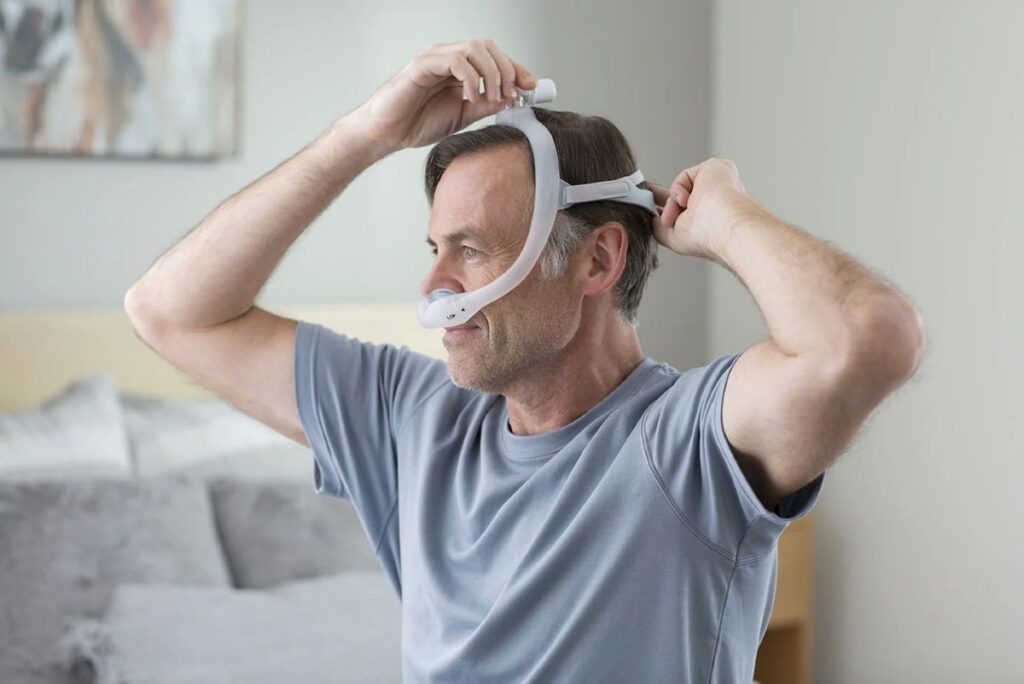
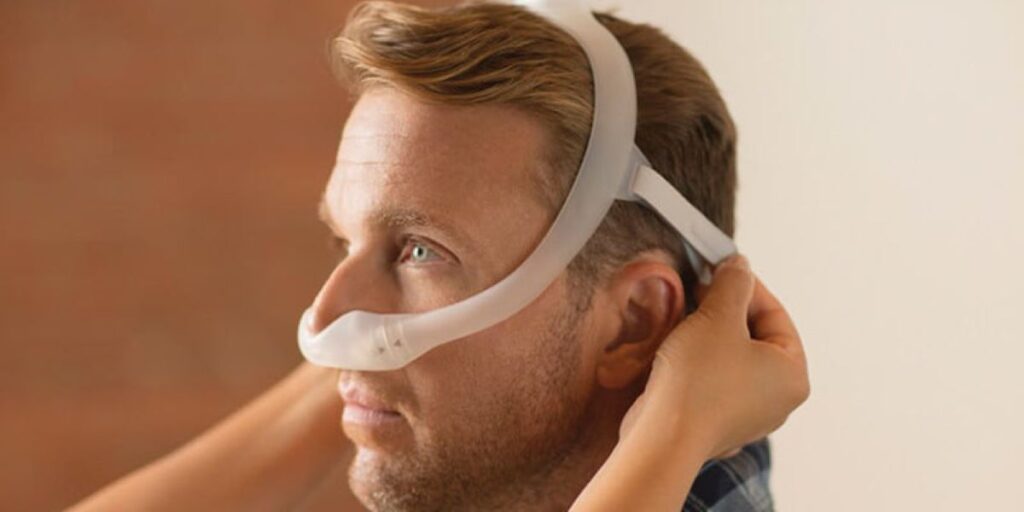
Philips Respironics DreamWear is another popular option known for its unique under-the-nose design. This allows for greater freedom of movement while still providing a secure fit. The soft fabric straps and flexible frame contribute to overall comfort, making it suitable for side sleepers who prefer a more minimalistic approach.
Both models have received positive feedback from users regarding their performance specifically during side sleeping. However, individual preferences may vary, so it’s recommended to try different options before making a final decision on which nasal pillow mask works best for you.
Which Full-Face Masks Work Well for Side Sleepers Who Breathe Through Their Mouth?
Full-face CPAP masks cover both the nose and mouth, making them essential for people who breathe through their mouth during sleep or require high pressure therapy. Traditional full-face masks often create problems for side sleepers due to their bulky design and standard tubing placement, but newer models specifically address these challenges with innovative features.
The key distinction in full-face CPAP masks for side sleepers lies in the tubing connection point. Masks with top-of-head tubing connections prevent the hose from getting trapped between the pillow and face, eliminating the pulling sensation that causes seal breaks and discomfort. This design allows side sleepers to move freely without worrying about tube interference.
ResMed AirFit F30i: Top-Rated for Minimal Contact
The ResMed AirFit F30i stands out among the 7 Best CPAP Masks for Side Sleepers: Comfort and Performance due to its hybrid design. Rather than covering the entire face, it uses a nasal cradle cushion that sits under the nose whilst sealing around the mouth area. The top-of-head tube connection keeps the hose out of the way regardless of sleeping position.
This mask’s low-profile design reduces facial contact by approximately 40% compared to traditional full-face masks. The QuietAir vent technology disperses air gently, preventing disturbance to sleeping partners. Side sleepers particularly appreciate the soft, flexible frame that adapts to pillow pressure without breaking the seal.
Philips DreamWear Full Face Mask: Freedom of Movement
The Philips DreamWear Full Face Mask revolutionises mouth breathing support with its unique under-the-nose cushion design. The frame sits away from the face, directing airflow through the top of the head, which creates an open field of vision and reduces claustrophobic feelings common with traditional full-face masks.
For side sleepers requiring high pressure therapy, this mask maintains seal integrity even when pressed against a pillow. The minimal contact design means less surface area touching the face, reducing the risk of pressure marks and skin irritation. The magnetic clips on the headgear allow
How Do Comfort Features Enhance CPAP Mask Performance for Side Sleepers?
Soft silicone cushions and flexible materials directly impact how well a CPAP mask maintains its seal when pressure shifts during side sleeping. The cushion acts as the primary contact point between mask and face, absorbing movement whilst creating an airtight barrier. Premium silicone adapts to facial contours without requiring excessive tightness, which prevents the red marks and skin irritation that often plague side sleepers who toss and turn throughout the night.
Hard plastic frames and rigid buckles create pressure points that become painful when compressed against a pillow. Side sleepers experience concentrated force on whichever side of their face contacts the sleeping surface. Masks constructed with soft fabric headgear eliminate these pain points, distributing tension evenly across the head rather than concentrating it in specific areas. The absence of metal clips or hard adjustment mechanisms means nothing digs into the skin during hours of continuous wear.
Adjustable headgear serves a dual purpose for side sleeping positions. First, it allows users to achieve the minimum tension necessary for an effective seal, which reduces the likelihood of pressure sores developing overnight. Second, it accommodates the natural shifting that occurs during sleep cycles without compromising the mask’s position. Four-point adjustment systems typically outperform two-point designs because they offer independent control over upper and lower strap tension.
The flexibility of modern cushion designs allows them to move with the face rather than against it. When a side sleeper rolls from one position to another, a flexible cushion bends and flexes to maintain contact with the skin. Rigid cushions, by contrast, tend to lift away from the face during movement, breaking the seal and triggering air leaks that disrupt sleep quality.
Breathable headgear fabrics prevent moisture buildup that can cause slipping during the night. Side sleepers often experience more contact between their mask straps and pillow surfaces, which generates heat and perspiration. Moisture-wicking materials keep the headgear dry and maintain consistent tension throughout the sleep session.
Key Comfort Elements That Matter Most
- Cushion thickness: Thinner cushions reduce the mask’s profile, minimising pillow interference
- Memory properties: Materials that remember their shape recover quickly after compression
What Accessories Can Improve Comfort and Seal for Side Sleeping CPAP Users?
Strategic accessories transform the side sleeping CPAP experience by addressing common pain points like mask displacement and tubing interference. The right supplementary products work alongside your mask to maintain seal integrity and reduce discomfort throughout the night.
Contour CPAP Pillows
Contour CPAP pillows feature strategically placed cut-outs that accommodate mask components without forcing the face into awkward angles. These specialised pillows prevent the mask from pressing into your face when you turn onto your side, eliminating the seal-breaking pressure that standard pillows create.
The cut-out design serves multiple purposes:
- Preserves mask positioning by providing space for the mask frame and cushion
- Reduces facial pressure marks that develop from compressed mask components
- Maintains consistent seal by preventing pillow fabric from pushing against the mask
- Supports natural head alignment to reduce neck strain during side sleeping
Many contour CPAP pillows include dual-sided cut-outs for switching between left and right side sleeping positions. The raised edges cradle your head whilst keeping the mask suspended in the cut-out zone, creating a pressure-free environment for uninterrupted therapy. You may like to visit https://www.qld.gov.au/health/condition/child-health/babies-and-toddlers/safe-sleeping to get more about safe sleeping.
Hose Lifts and Tubing Management
Hose lifts mount to your headboard or nightstand, suspending the CPAP tubing above your sleeping area. This elevation prevents the hose from draping across your body or tangling around your arms when you shift positions during the night.
Tubing anchors attach to your bedding or pyjamas, creating a controlled slack point that moves with you. When you roll from your back to your side, the anchor prevents sudden tugging that could dislodge your mask or wake you from sleep.
Key benefits of proper tubing management include:
- Eliminates drag force on the mask connection point
- Prevents mask displacement caused by hose weight and movement
- Reduces noise from tubing rubbing against bedding
- Extends hose lifespan by minimising stress on connection points
How Should Side Sleepers Maintain Their CPAP Masks for Optimal Performance?
Proper cleaning and maintenance directly impact mask seal quality and therapy effectiveness. Daily washing with warm water and mild soap removes facial oils, skin cells, and bacteria that accumulate on cushions and nasal pillows, preventing deterioration of silicone materials that can cause air leaks.
Daily Cleaning Routine
Morning disassembly and washing should become part of your routine. Separate the cushion or nasal pillows from the frame, rinse each component under warm running water, and use a gentle, fragrance-free soap. Harsh chemicals, alcohol-based cleaners, or antibacterial soaps can degrade silicone and shorten mask lifespan.
Allow all components to air dry completely on a clean towel away from direct sunlight. Moisture trapped in crevices or between layers can promote bacterial growth and compromise the seal during your next therapy session.
Weekly Deep Cleaning
Once per week, soak mask components in warm soapy water for 15-20 minutes to remove stubborn oils and residue. Pay special attention to areas where the mask contacts your skin, as these accumulate the most buildup. Rinse thoroughly to eliminate all soap residue, which can irritate skin and damage materials.
Headgear requires less frequent washing—typically once per week—but should be hand-washed in lukewarm water to maintain elasticity. Machine washing or high heat can stretch fabric and weaken Velcro connections.
Component Replacement Schedule
Even with diligent cleaning and maintenance, CPAP mask components wear out and require replacement to maintain optimal performance:
- Cushions and nasal pillows: Replace every 1-3 months depending on usage frequency and skin oil production
- Mask frames and tubing: Replace every 3 months as materials become brittle and connections loosen
- Headgear: Replace every 6 months when elastic loses tension and straps no longer hold securely
Side sleepers may need more frequent replacements since constant pressure against pillows accelerates wear on one side of the cushion. Watch for visible signs like discolouration, tears, permanent creases, or loss of cushion pliability. You may like to visit https://realhealthandfitness.com/comparing-portable-vs-stationary-home-oxygen-machine-models/ to get more about comparing portable vs. stationary home oxygen machine models.
What Are the Top 7 CPAP Masks Recommended for Side Sleepers? (2024)
We’ve curated a list of the best CPAP masks 2024 specifically designed for side sleepers, focusing on comfort, seal reliability, and minimal interference with your sleeping position. These 7 Best CPAP Masks for Side Sleepers: Comfort and Performance have been selected based on their ability to maintain a secure seal whilst reducing pressure points and mask displacement.
1. ResMed AirFit P30i Nasal Pillow Mask
The ResMed AirFit P30i features top-of-head tubing connection that keeps the hose away from your face and pillow. This lightweight nasal pillow mask weighs just 45 grams and uses soft, flexible nasal cushions that seal gently at the nostrils without pressing into your face.
Key Features:
- Quick-release elbow for easy disconnection without removing the mask
- SpringFit frame that adapts to different facial contours
- Minimal facial contact reduces pressure marks
- Three cushion sizes included in each package
2. Rio II Nasal Pillow CPAP Mask
The Rio II offers exceptional value without compromising on comfort for side sleepers. Its low-profile design sits comfortably against the face whilst the soft silicone nasal pillows create a reliable seal that withstands movement throughout the night.
Key Features:
- Ultra-lightweight construction at under 40 grams
- Adjustable headgear with easy-to-use clips
- Swivel connection reduces torque on the nasal pillows
- Budget-friendly option with excellent durability
3. Philips Respironics DreamWear Nasal Pillow Mask
DreamWear’s innovative under-the-nose design allows you to sleep on your side without the mask frame touching your pillow. The tubing connects at the top of your head, and the frame sits away from your face, providing an unobstructed field of vision.
Key Features:
- Unique frame design that doesn’t rest on the bridge of your nose
- Soft, flexible silicone pillows in multiple sizes for customised fit
- Versatile wearing options with both nasal and oral interfaces available
4. Fisher & Paykel Brevida Nasal Pillow Mask
Brevida is designed with comfort in mind, featuring a unique AirPillow technology that inflates to create a gentle seal around the nostrils. This mask is ideal for those who prefer a softer touch while still maintaining stability during sleep.
Key Features:
- Adjustable headgear with Velcro straps for easy fitting
- Integrated venting system to disperse exhaled air quietly
- Lightweight materials ensure minimal pressure on facial features
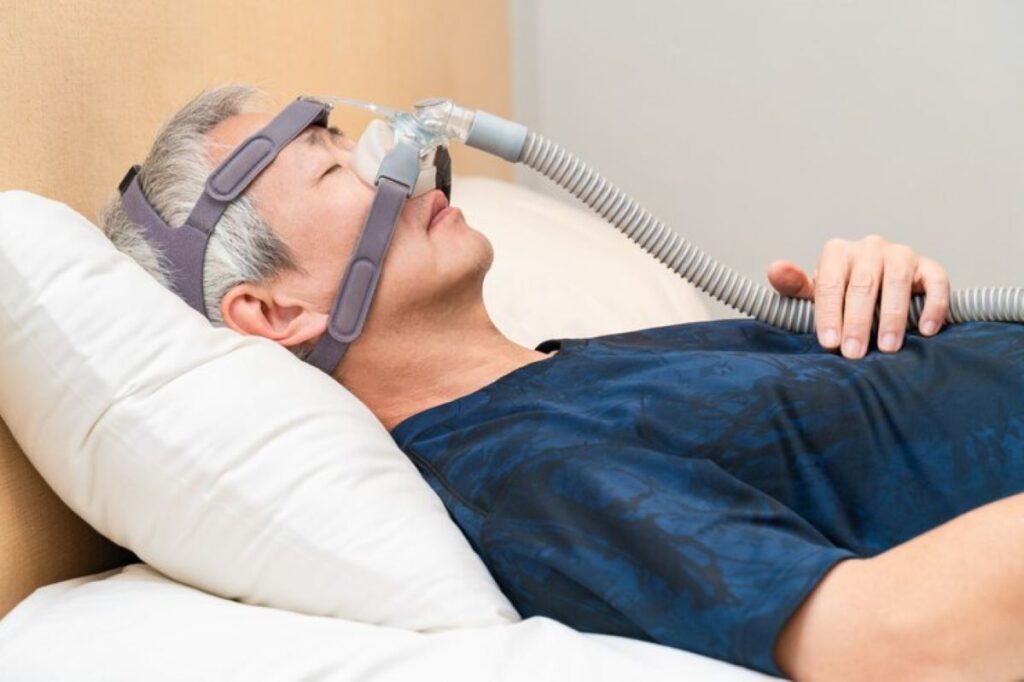
5. Sleepnet Technologies Nimbus Nasal Pillow Mask
The Nimbus stands out with its innovative design that combines stability and flexibility. Its adjustable forehead support allows for personalised positioning while maintaining a secure fit throughout the night.
Key Features:
- Dual-wall nasal pillows provide enhanced comfort and support
- Minimalistic design reduces bulkiness without compromising performance
- Compatible with various CPAP machines via universal connector
6. BMC N5 Nasal Pillow Mask
BMC N5 offers an affordable yet effective solution for side sleepers seeking comfort during their therapy sessions. Its flexible headgear ensures adaptability to different head shapes while maintaining proper alignment of the airway.
Key Features:
- Lightweight construction makes it suitable for travel purposes
- Easy assembly and disassembly process for convenient cleaning
- Latex-free materials cater to individuals with allergies or sensitivities
7. Z2 Auto CPAP Machine Bundle with Zest Q Nasal CPAP Mask
For those looking for an all-in-one solution, this bundle includes both an auto-adjusting CPAP machine (Z2) and a comfortable nasal mask (Zest Q). This combination offers flexibility in treatment options while ensuring ease of use during travel or home sleep therapy.
Key Features:
- Compact size of Z2 makes it airline-friendly compliant device
- Zest Q’s ergonomic design provides minimal contact points on face
- Quick-release mechanism enables hassle-free transitions between settings
FAQs (Frequently Asked Questions)
What is obstructive sleep apnea and how can side sleeping help?
Obstructive sleep apnea is a condition where the airway becomes blocked during sleep, leading to disrupted breathing and poor sleep quality. Side sleeping helps by alleviating airway obstruction and improving oxygen levels, making it an effective position for managing this condition.
What challenges do side sleepers face when using CPAP masks?
Side sleepers often encounter issues such as mask displacement due to movement, air leakage caused by improper seal, pressure points that cause discomfort on the face, and interference from tubing or pillows which can disrupt therapy effectiveness.
Why are nasal pillow masks recommended for side sleepers?
Nasal pillow masks feature a low-profile design with minimal facial contact, reducing leaks and discomfort. Their lightweight and flexible structure seals directly at the nostrils, making them ideal for side sleepers. Popular models include ResMed AirFit P30i and Philips Respironics DreamWear.
Which full-face CPAP masks are suitable for side sleepers who breathe through their mouth?
Full-face CPAP masks designed for side sleepers support mouth breathing and high-pressure therapy. They often have tubing connections at the top of the head to minimise pillow interference. Examples include ResMed AirFit F30i and Philips DreamWear Full Face Mask.
How do comfort features enhance CPAP mask performance for side sleepers?
Comfort features like soft silicone cushions and adjustable headgear without hard buckles or metal parts help maintain a secure seal while preventing pressure marks or discomfort. These materials and fittings improve overall therapy adherence and effectiveness for side sleepers.
What accessories can improve comfort and seal for CPAP users who sleep on their side?
Accessories such as contour CPAP pillows with cut-outs accommodate masks comfortably, while hose lifts or tubing anchors reduce tugging on the mask. These enhancements help maintain a reliable seal and increase comfort during side sleeping.